Buy myalbania.eu ?
We are moving the project
myalbania.eu .
Are you interested in purchasing the domain
myalbania.eu ?
domain@kv-gmbh.de · 0541-91531010
Buy myalbania.eu ?
What is the BCLK amplitude?
The BCLK amplitude refers to the Base Clock amplitude, which is the signal that determines the frequency of the CPU and other system components. It is a measure of the strength or intensity of the signal, typically measured in volts. The BCLK amplitude is important for ensuring stable and reliable performance of the system, as variations in the signal strength can impact the overall system stability and performance. It is typically set within a specific range to ensure compatibility with the hardware components and to prevent damage to the system. **
What is the precipitation amplitude?
Precipitation amplitude refers to the range of variation in the amount of precipitation that falls in a specific area over a given period of time. It is a measure of how much the precipitation levels fluctuate, from low to high, during a certain time frame. Understanding precipitation amplitude is important for assessing the variability in weather patterns and the potential impact on ecosystems, agriculture, and water resources in a region. By analyzing precipitation amplitude, scientists and meteorologists can better predict and prepare for extreme weather events such as droughts or heavy rainfall. **

Similar search terms for Amplitude
Top-Angebote
Products related to Amplitude:
-
Urban Nature Culture Vase RelaxedQuiet elegancy comes to life in Urban Nature Culture's vase Relaxed. Handmade in Portugal, this ceramic vase has a shape beyond anything you've seen - it's organic, it flows and steals your heart with its playful ear.123,40 $*Shipping: 0,00 $Secure redirect to the provider




-
What is low amplitude light?
Low amplitude light refers to light waves that have a small height or intensity. This type of light is typically dim or faint in appearance. Low amplitude light waves carry less energy compared to high amplitude light waves, such as those found in bright sunlight or intense artificial lighting. Examples of low amplitude light sources include moonlight, candlelight, or dimly lit rooms. **
-
Can the amplitude be different?
Yes, the amplitude of a wave can be different. The amplitude of a wave is the measure of its maximum displacement from its rest position. Different waves can have different amplitudes depending on factors such as the energy of the source, the medium through which the wave is traveling, and the properties of the wave itself. For example, a larger energy input can result in a wave with a larger amplitude, while a smaller energy input can result in a wave with a smaller amplitude. **
-
What is low-amplitude light?
Low-amplitude light refers to light waves that have a small range of variation in their intensity. This means that the light waves have a relatively low peak-to-peak amplitude, resulting in a less intense and more subtle light source. Low-amplitude light is often used in settings where a softer, more diffused lighting effect is desired, such as in mood lighting or ambient lighting applications. **
-
Is the amplitude always positive?
No, the amplitude is not always positive. The amplitude of a wave is the maximum displacement of a particle from its equilibrium position. This means that the amplitude can be positive or negative, depending on the direction of the displacement. For example, in a simple harmonic motion, the amplitude can be either positive or negative, depending on whether the displacement is in the positive or negative direction from the equilibrium position. **


How do you calculate the amplitude?
The amplitude of a wave is calculated by finding the maximum displacement of a particle from its equilibrium position. This can be done by measuring the distance from the equilibrium position to the crest or trough of the wave. In mathematical terms, the amplitude is half the distance between the maximum and minimum values of the wave function. It represents the strength or intensity of the wave. **
What do the amplitude and phase margins indicate?
The amplitude margin indicates how much the gain of a system can be increased before it becomes unstable, with a larger margin indicating greater stability. The phase margin, on the other hand, indicates how much phase shift can be added to the system before it becomes unstable. Both margins are important indicators of the stability and robustness of a control system, with larger margins generally indicating a more stable system. **
Top-Angebote
Products related to Amplitude:
-
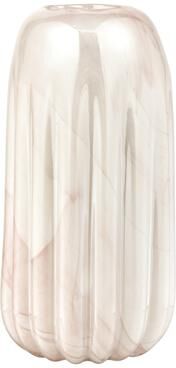
Atlas Lighting and Home Atlas Amplitude Pale Pink Marbled Glass VaseThe Amplitude large vase is made from glass and features a ridged design in a pale pink marbleized finish. This piece is ideal for subtly introducing a light, feminine color palette to a chic, modern interior.38,49 $*Shipping: 0,00 $Secure redirect to the provider
-
From the Archives: Black History and Culture Value PackThis brand-new series is rooted in a profound commitment to shedding light on some of the important -- and often lesser-known -- aspects of Black history. From the Archives features landmarks, events, people, and artistic endeavors that have played...26,99 $*Shipping: 0,00 $Secure redirect to the provider
-
Urban Nature Culture Vase RelaxedQuiet elegancy comes to life in Urban Nature Culture's vase Relaxed. Handmade in Portugal, this ceramic vase has a shape beyond anything you've seen - it's organic, it flows and steals your heart with its playful ear.123,40 $*Shipping: 0,00 $Secure redirect to the provider
-
What is the BCLK amplitude?
The BCLK amplitude refers to the Base Clock amplitude, which is the signal that determines the frequency of the CPU and other system components. It is a measure of the strength or intensity of the signal, typically measured in volts. The BCLK amplitude is important for ensuring stable and reliable performance of the system, as variations in the signal strength can impact the overall system stability and performance. It is typically set within a specific range to ensure compatibility with the hardware components and to prevent damage to the system. **
-
What is the precipitation amplitude?
Precipitation amplitude refers to the range of variation in the amount of precipitation that falls in a specific area over a given period of time. It is a measure of how much the precipitation levels fluctuate, from low to high, during a certain time frame. Understanding precipitation amplitude is important for assessing the variability in weather patterns and the potential impact on ecosystems, agriculture, and water resources in a region. By analyzing precipitation amplitude, scientists and meteorologists can better predict and prepare for extreme weather events such as droughts or heavy rainfall. **
-
What is low amplitude light?
Low amplitude light refers to light waves that have a small height or intensity. This type of light is typically dim or faint in appearance. Low amplitude light waves carry less energy compared to high amplitude light waves, such as those found in bright sunlight or intense artificial lighting. Examples of low amplitude light sources include moonlight, candlelight, or dimly lit rooms. **
-
Can the amplitude be different?
Yes, the amplitude of a wave can be different. The amplitude of a wave is the measure of its maximum displacement from its rest position. Different waves can have different amplitudes depending on factors such as the energy of the source, the medium through which the wave is traveling, and the properties of the wave itself. For example, a larger energy input can result in a wave with a larger amplitude, while a smaller energy input can result in a wave with a smaller amplitude. **
Similar search terms for Amplitude
-
Urban Nature Culture Vase Talvi - WhiteFloating the sea waves, a sense of calm takes over, feeling at home in the world. That same feeling we get at home, like a safe haven to relax our senses and feast our eyes on our most cherished things.267,80 $*Shipping: 0,00 $Secure redirect to the provider
-
Urban Nature Culture Vase Ace - AceSetting forth a tradition that is centuries old, pottery has ever been one of Portugal's trades. Urban Nature Culture loves to work with Portuguese artisans - who use their skills to combine modern looks and contemporary design with techniques of old.145,60 $*Shipping: 0,00 $Secure redirect to the provider
-
What is low-amplitude light?
Low-amplitude light refers to light waves that have a small range of variation in their intensity. This means that the light waves have a relatively low peak-to-peak amplitude, resulting in a less intense and more subtle light source. Low-amplitude light is often used in settings where a softer, more diffused lighting effect is desired, such as in mood lighting or ambient lighting applications. **
-
Is the amplitude always positive?
No, the amplitude is not always positive. The amplitude of a wave is the maximum displacement of a particle from its equilibrium position. This means that the amplitude can be positive or negative, depending on the direction of the displacement. For example, in a simple harmonic motion, the amplitude can be either positive or negative, depending on whether the displacement is in the positive or negative direction from the equilibrium position. **
-
How do you calculate the amplitude?
The amplitude of a wave is calculated by finding the maximum displacement of a particle from its equilibrium position. This can be done by measuring the distance from the equilibrium position to the crest or trough of the wave. In mathematical terms, the amplitude is half the distance between the maximum and minimum values of the wave function. It represents the strength or intensity of the wave. **
-
What do the amplitude and phase margins indicate?
The amplitude margin indicates how much the gain of a system can be increased before it becomes unstable, with a larger margin indicating greater stability. The phase margin, on the other hand, indicates how much phase shift can be added to the system before it becomes unstable. Both margins are important indicators of the stability and robustness of a control system, with larger margins generally indicating a more stable system. **
* All prices are inclusive of VAT and, if applicable, plus shipping costs. The offer information is based on the details provided by the respective shop and is updated through automated processes. Real-time updates do not occur, so deviations can occur in individual cases. ** Note: Parts of this content were created by AI.