Buy myalbania.eu ?
We are moving the project
myalbania.eu .
Are you interested in purchasing the domain
myalbania.eu ?
domain@kv-gmbh.de · 0541-91531010
Buy myalbania.eu ?
Is man a creature of nature or culture, or is culture the nature of man?
Man is a complex being influenced by both nature and culture. While humans are inherently part of the natural world, our behaviors, beliefs, and practices are largely shaped by the societies we live in. Culture can be seen as the nature of man in the sense that it is a fundamental aspect of human existence, shaping our identities and interactions with the world. Ultimately, the relationship between nature and culture is intertwined in shaping the essence of humanity. **
Is man a being of nature or culture, or is culture the nature of man?
Man is a being of both nature and culture. While humans are inherently a part of the natural world, our ability to create and participate in culture sets us apart from other species. Culture shapes our beliefs, behaviors, and interactions with the world, becoming an essential part of our identity. Therefore, culture can be seen as the nature of man, as it influences and defines our existence in profound ways. **

Similar search terms for Whetstone
Top-Angebote
Products related to Whetstone:
-
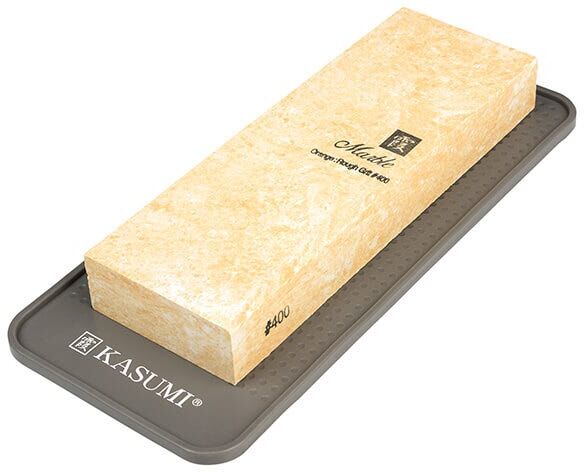
Kasumi Coarse Whetstone with Silicone MatThis Kasumi whetstone has a coarse 400 grit for repairing nicks and damaged blades. The whetstone is complete with a silicone mat that helps grip when in use. Complete with a whetstone holder. Dimensions: L18cm x W6.5cm x H2.5cm. Made in Seki, Japan.59,95 £*Shipping: 0,00 £Secure redirect to the provider
-
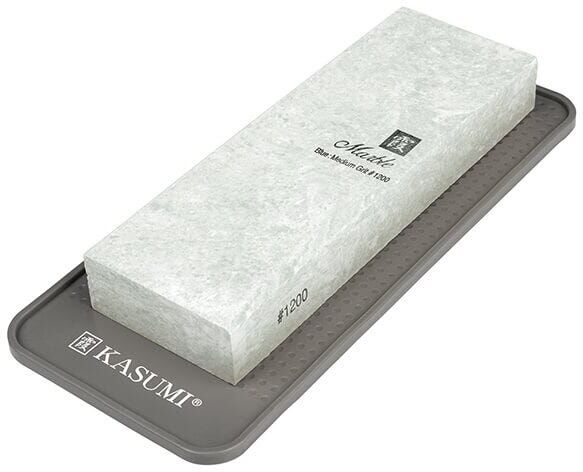
Kasumi Medium Whetstone with Silicone MatThis Kasumi whetstone has a medium 1200 grit for sharpening dull and blunted stainless steel blades. The whetstone is complete with a silicone mat that helps grip when in use. Complete with a whetstone holder. Dimensions: L18cm x W6.5cm x H2.5cm. Made in Seki, Japan.64,96 £*Shipping: 0,00 £Secure redirect to the provider
-
Kasumi Fine Whetstone with Silicone MatThis Kasumi whetstone has a fine 2000 grit for sharpening and polishing stainless steel blades. The whetstone is complete with a silicone mat that helps grip when in use. Complete with a whetstone holder. Dimensions: L18cm x W6.5cm x H2.5cm. Made in Seki, Japan.69,95 £*Shipping: 0,00 £Secure redirect to the provider
-
Rio Rockingham Forge Fine Ceramic WhetstoneThis Rockingham Forge high quality fine ceramic whetstone has a 3000 grit and is suitable for sharpening stainless steel knives. This ceramic whetstone is long lasting and cleaner than traditional whetstones. Perfect for honing your knife edge and requires a lot less oil or water for lubrication whilst sharpening. The whetstone includes a non-slip removable silicone base to ensure safe and even sharpening.18,75 £*Shipping: 3,50 £Secure redirect to the provider


-
Is culture a form of nature?
Culture is not a form of nature, but rather a product of human society. While culture can be influenced by nature and the environment, it is distinct in that it is created, shared, and passed down through generations by humans. Nature refers to the physical world and natural phenomena, while culture encompasses the beliefs, customs, arts, and social behaviors of a particular group of people. **
-
What does Cuban cuisine and eating culture look like?
Cuban cuisine is a fusion of Spanish, African, and Caribbean influences, resulting in a diverse and flavorful culinary tradition. Common ingredients include rice, beans, plantains, and various meats such as pork and chicken. Popular dishes include ropa vieja (shredded beef), arroz con pollo (chicken with rice), and lechón asado (roast pork). Eating culture in Cuba is centered around family and community, with meals often being a social and communal experience. It is common for Cubans to share meals with extended family and friends, and food is an important part of social gatherings and celebrations. **
-
Is man a being of nature or culture?
Man is a being of both nature and culture. While humans are a part of the natural world and share many characteristics with other animals, they also possess the ability to create and participate in complex cultural systems. Culture shapes human behavior, beliefs, and values, influencing how individuals interact with their environment. Ultimately, humans exist at the intersection of nature and culture, with both aspects playing a significant role in shaping their identities and experiences. **
-
What are electricity and high culture history?
Electricity history refers to the development and use of electricity as a form of energy, including the discovery of electricity, the invention of electric devices, and the establishment of electrical systems. High culture history, on the other hand, refers to the history of cultural and artistic achievements that are considered to be of high quality and sophistication, such as classical music, literature, fine arts, and theater. Both electricity and high culture history have evolved over time, shaping the way we live and appreciate the world around us. **

What is the difference between low culture and high culture in history?
Low culture refers to the cultural activities and products that are considered to be more common, popular, and easily accessible to the general public. This can include things like popular music, television shows, and mass-produced literature. On the other hand, high culture refers to the cultural activities and products that are considered to be more refined, sophisticated, and often associated with the elite or educated classes. This can include things like classical music, fine art, and literature that is considered to be more intellectually challenging. The distinction between low and high culture has been a source of debate and has evolved over time, but it generally reflects the social and class divisions within a society. **
Is man a creature of nature or of culture?
Man is a creature of both nature and culture. While humans are biologically part of the natural world, our behaviors, beliefs, and social structures are heavily influenced by the cultures we are raised in. Culture shapes our values, norms, and ways of interacting with the world, but our biological instincts and needs also play a significant role in shaping who we are. Ultimately, humans are a complex blend of both natural and cultural influences. **
Top-Angebote
Products related to Whetstone:
-
Samura Combination Whetstone 240 & 800The Samura Combination 240 & 800 Whetstone is suitable for the sharpening of blunt knives. The coarse 240 grit is ideal for reshaping the blade of a blunt knife and removing burrs that have occurred. The 800 grit can be used once the blunt knife is restored to shape for sharpening. The whetstone comes with a rubber holder in which the stone sits firmly during sharpening process. Submerged the whetstone in water for a few minutes before use.25,00 £*Shipping: 3,50 £Secure redirect to the provider
-
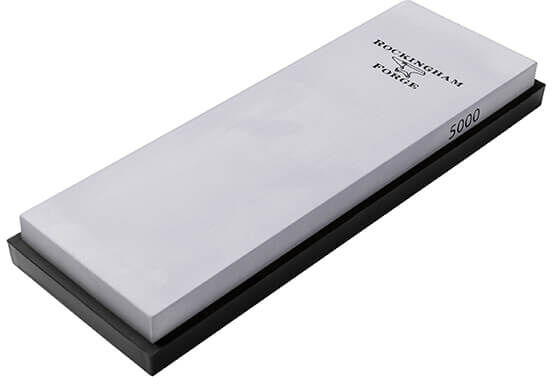
Rio Rockingham Forge Superfine Ceramic WhetstoneThis Rockingham Forge high quality superfine ceramic whetstone has a 5000 grit and is suitable for sharpening stainless steel knives. This ceramic whetstone is long lasting and cleaner than traditional whetstones. Perfect for polishing your knives and requires a lot less oil or water for lubrication whilst sharpening. The whetstone includes a non-slip removable silicone base to ensure safe and even sharpening.23,44 £*Shipping: 3,50 £Secure redirect to the provider
-
Kasumi Coarse Whetstone with Silicone MatThis Kasumi whetstone has a coarse 400 grit for repairing nicks and damaged blades. The whetstone is complete with a silicone mat that helps grip when in use. Complete with a whetstone holder. Dimensions: L18cm x W6.5cm x H2.5cm. Made in Seki, Japan.59,95 £*Shipping: 0,00 £Secure redirect to the provider
-
Kasumi Medium Whetstone with Silicone MatThis Kasumi whetstone has a medium 1200 grit for sharpening dull and blunted stainless steel blades. The whetstone is complete with a silicone mat that helps grip when in use. Complete with a whetstone holder. Dimensions: L18cm x W6.5cm x H2.5cm. Made in Seki, Japan.64,96 £*Shipping: 0,00 £Secure redirect to the provider
-
Is man a creature of nature or culture, or is culture the nature of man?
Man is a complex being influenced by both nature and culture. While humans are inherently part of the natural world, our behaviors, beliefs, and practices are largely shaped by the societies we live in. Culture can be seen as the nature of man in the sense that it is a fundamental aspect of human existence, shaping our identities and interactions with the world. Ultimately, the relationship between nature and culture is intertwined in shaping the essence of humanity. **
-
Is man a being of nature or culture, or is culture the nature of man?
Man is a being of both nature and culture. While humans are inherently a part of the natural world, our ability to create and participate in culture sets us apart from other species. Culture shapes our beliefs, behaviors, and interactions with the world, becoming an essential part of our identity. Therefore, culture can be seen as the nature of man, as it influences and defines our existence in profound ways. **
-
Is culture a form of nature?
Culture is not a form of nature, but rather a product of human society. While culture can be influenced by nature and the environment, it is distinct in that it is created, shared, and passed down through generations by humans. Nature refers to the physical world and natural phenomena, while culture encompasses the beliefs, customs, arts, and social behaviors of a particular group of people. **
-
What does Cuban cuisine and eating culture look like?
Cuban cuisine is a fusion of Spanish, African, and Caribbean influences, resulting in a diverse and flavorful culinary tradition. Common ingredients include rice, beans, plantains, and various meats such as pork and chicken. Popular dishes include ropa vieja (shredded beef), arroz con pollo (chicken with rice), and lechón asado (roast pork). Eating culture in Cuba is centered around family and community, with meals often being a social and communal experience. It is common for Cubans to share meals with extended family and friends, and food is an important part of social gatherings and celebrations. **
Similar search terms for Whetstone
-
Kasumi Fine Whetstone with Silicone MatThis Kasumi whetstone has a fine 2000 grit for sharpening and polishing stainless steel blades. The whetstone is complete with a silicone mat that helps grip when in use. Complete with a whetstone holder. Dimensions: L18cm x W6.5cm x H2.5cm. Made in Seki, Japan.69,95 £*Shipping: 0,00 £Secure redirect to the provider
-
Rio Rockingham Forge Fine Ceramic WhetstoneThis Rockingham Forge high quality fine ceramic whetstone has a 3000 grit and is suitable for sharpening stainless steel knives. This ceramic whetstone is long lasting and cleaner than traditional whetstones. Perfect for honing your knife edge and requires a lot less oil or water for lubrication whilst sharpening. The whetstone includes a non-slip removable silicone base to ensure safe and even sharpening.18,75 £*Shipping: 3,50 £Secure redirect to the provider
-
I.O.Shen Mastergrade 3000/8000 Grit WhetstoneThe I.O. Shen Mastergrade 3000 and 8000 Dual Grit Whetstone is a classic way to keep your knives razor sharp. Even the sharpest and most expensive blades will loose their edge over time and a sharp blade is more efficient, takes less effort to use and is safer as there is less likelihood of the blade slipping when in use. The super fine combination of this whetstone produces the finest finish for superior sharpness. The I.O. Shen Mastergrade Dual Grit Whetstone is a simple and effective method of keeping your knives in tip-top condition. Soak the whetstone in water for approximately 20 minutes before use. Place the whetstone back in its tray, coarse side up, allowing any excess water to drain off. Take your knife and smoothly run the blade in a sweeping motion over the length of the whetstone making sure you keep the blade at an angle of approximately 20° to the whetstone. Ensure that each sweep takes in the whole length of the blade - from heel to tip. Repeat this process several times then turn the knife around to work on the opposite side of the blade. This process will bring back the fine edge to the blade of a blunt knife and will also remove any small chips and nicks. Repeat the same process using the fine side of the whetstone to give the blade its razor sharp edge back. After sharpening always carefully handwash the knife and dry immediately with a tea towel.87,95 £*Shipping: 0,00 £Secure redirect to the provider
-
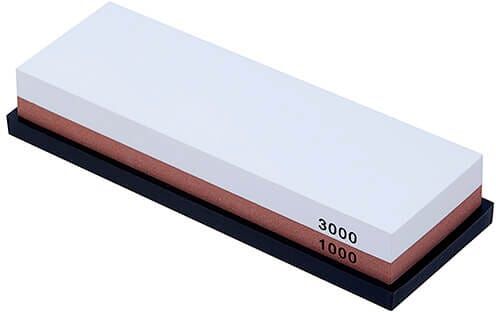
I.O.Shen Mastergrade 1000/3000 Grit WhetstoneThe I.O. Shen Mastergrade 1000 and 3000 Dual Grit Whetstone is a classic way to keep your knives razor sharp. Even the sharpest and most expensive blades will loose their edge over time and a sharp blade is more efficient, takes less effort to use and is safer as there is less likelihood of the blade slipping when in use. The fine combination of this whetstone produces a fine and polished edge for superior sharpness. The I.O. Shen Mastergrade Dual Grit Whetstone is a simple and effective method of keeping your knives in tip-top condition. Soak the whetstone in water for approximately 20 minutes before use. Place the whetstone back in its tray, coarse side up, allowing any excess water to drain off. Take your knife and smoothly run the blade in a sweeping motion over the length of the whetstone making sure you keep the blade at an angle of approximately 20° to the whetstone. Ensure that each sweep takes in the whole length of the blade - from heel to tip. Repeat this process several times then turn the knife around to work on the opposite side of the blade. This process will bring back the fine edge to the blade of a blunt knife and will also remove any small chips and nicks. Repeat the same process using the fine side of the whetstone to give the blade its razor sharp edge back. After sharpening always carefully handwash the knife and dry immediately with a tea towel.59,95 £*Shipping: 0,00 £Secure redirect to the provider
-
Is man a being of nature or culture?
Man is a being of both nature and culture. While humans are a part of the natural world and share many characteristics with other animals, they also possess the ability to create and participate in complex cultural systems. Culture shapes human behavior, beliefs, and values, influencing how individuals interact with their environment. Ultimately, humans exist at the intersection of nature and culture, with both aspects playing a significant role in shaping their identities and experiences. **
-
What are electricity and high culture history?
Electricity history refers to the development and use of electricity as a form of energy, including the discovery of electricity, the invention of electric devices, and the establishment of electrical systems. High culture history, on the other hand, refers to the history of cultural and artistic achievements that are considered to be of high quality and sophistication, such as classical music, literature, fine arts, and theater. Both electricity and high culture history have evolved over time, shaping the way we live and appreciate the world around us. **
-
What is the difference between low culture and high culture in history?
Low culture refers to the cultural activities and products that are considered to be more common, popular, and easily accessible to the general public. This can include things like popular music, television shows, and mass-produced literature. On the other hand, high culture refers to the cultural activities and products that are considered to be more refined, sophisticated, and often associated with the elite or educated classes. This can include things like classical music, fine art, and literature that is considered to be more intellectually challenging. The distinction between low and high culture has been a source of debate and has evolved over time, but it generally reflects the social and class divisions within a society. **
-
Is man a creature of nature or of culture?
Man is a creature of both nature and culture. While humans are biologically part of the natural world, our behaviors, beliefs, and social structures are heavily influenced by the cultures we are raised in. Culture shapes our values, norms, and ways of interacting with the world, but our biological instincts and needs also play a significant role in shaping who we are. Ultimately, humans are a complex blend of both natural and cultural influences. **
* All prices are inclusive of VAT and, if applicable, plus shipping costs. The offer information is based on the details provided by the respective shop and is updated through automated processes. Real-time updates do not occur, so deviations can occur in individual cases. ** Note: Parts of this content were created by AI.