Buy myalbania.eu ?
We are moving the project
myalbania.eu .
Are you interested in purchasing the domain
myalbania.eu ?
domain@kv-gmbh.de · 0541-91531010
Buy myalbania.eu ?
Should one repeat the Ghusl after cutting oneself during Ghusl?
If one is performing Ghusl and accidentally cuts themselves, they do not need to repeat the entire Ghusl. The general rule is that minor cuts or injuries do not invalidate the Ghusl. However, if the bleeding is excessive and it is feared that the water did not reach the entire body due to the bleeding, then it would be recommended to repeat the Ghusl. It is important to seek knowledge from a qualified Islamic scholar for specific situations and rulings. **
Is the Ghusl valid?
Without more information about the specific circumstances of the Ghusl, it is difficult to determine its validity. In general, for Ghusl to be valid in Islam, certain conditions must be met, such as the intention to purify oneself, washing the entire body with water, and ensuring that water reaches all parts of the body. If these conditions were met, then the Ghusl would be considered valid. It is always recommended to consult with a knowledgeable religious authority for specific guidance on matters of purification in Islam. **


Similar search terms for Ghusl
Top-Angebote
Products related to Ghusl:
-
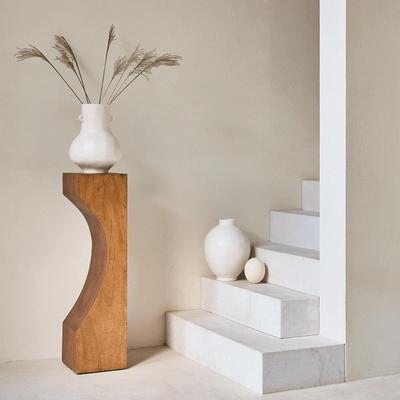
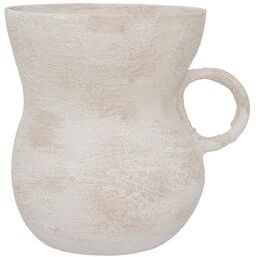
Urban Nature Culture Vase RelaxedQuiet elegancy comes to life in Urban Nature Culture's vase Relaxed. Handmade in Portugal, this ceramic vase has a shape beyond anything you've seen - it's organic, it flows and steals your heart with its playful ear.123,40 $*Shipping: 0,00 $Secure redirect to the provider

-
What is Ghusl Abdes?
Ghusl Abdes is a ritual purification in Islam that involves washing the entire body with water. It is performed to cleanse oneself after certain impurities such as sexual intercourse, menstruation, or ejaculation. Ghusl Abdes is considered necessary before certain acts of worship, such as prayer, and is an important part of maintaining spiritual purity in Islam. The process involves specific steps and intentions to ensure the purification is done correctly. **
-
Is the ablution Ghusl?
No, ablution (wudu) and ghusl are two different rituals in Islam. Ablution is the ritual washing of specific body parts before certain acts of worship, such as prayer. Ghusl, on the other hand, is a full-body ritual purification performed after certain states of impurity, such as sexual intercourse or menstruation. While both ablution and ghusl involve washing the body, ghusl is a more comprehensive form of purification and is required in specific circumstances. **
-
Is my Ghusl invalid?
To determine if your Ghusl is invalid, you should consider if any of the conditions for a valid Ghusl were not met. These conditions include the intention, washing the entire body, ensuring water reaches the skin, and performing the Ghusl in the correct sequence. If you have doubts about any of these conditions being fulfilled, it is recommended to repeat the Ghusl to ensure its validity. It is also important to seek guidance from a knowledgeable person or scholar if you are unsure. **
-
How to perform Ghusl?
To perform Ghusl, one must first make the intention to purify oneself. Then, wash the hands and private parts. Next, perform a complete ablution (Wudu) as one would for prayer. Finally, pour water over the entire body, ensuring that every part is washed thoroughly, starting with the right side of the body and then the left. It is important to ensure that water reaches every part of the body, including the hair and between the fingers and toes. **

What is Ghusl 39?
Ghusl 39 is a specific type of ritual purification in Islam. It is performed when a person has had sexual intercourse or ejaculation, and it is necessary to cleanse oneself before engaging in acts of worship such as prayer. Ghusl 39 involves washing the entire body, including the head, neck, and feet, with water in a specific manner. It is an important part of maintaining spiritual purity and is considered obligatory in certain circumstances. **
What is Ghusl 35?
Ghusl 35 is a specific type of ritual purification in Islam. It is performed when a person has sexual intercourse or experiences ejaculation, whether through intercourse, wet dreams, or other means. Ghusl 35 involves washing the entire body with water, including the head, neck, and feet, while also ensuring that water reaches every part of the body. This ritual purification is considered necessary to cleanse oneself before engaging in acts of worship or prayer. **
Top-Angebote
Products related to Ghusl:
-
From the Archives: Black History and Culture Value PackThis brand-new series is rooted in a profound commitment to shedding light on some of the important -- and often lesser-known -- aspects of Black history. From the Archives features landmarks, events, people, and artistic endeavors that have played...26,99 $*Shipping: 0,00 $Secure redirect to the provider
-
Urban Nature Culture Vase RelaxedQuiet elegancy comes to life in Urban Nature Culture's vase Relaxed. Handmade in Portugal, this ceramic vase has a shape beyond anything you've seen - it's organic, it flows and steals your heart with its playful ear.123,40 $*Shipping: 0,00 $Secure redirect to the provider
-
Should one repeat the Ghusl after cutting oneself during Ghusl?
If one is performing Ghusl and accidentally cuts themselves, they do not need to repeat the entire Ghusl. The general rule is that minor cuts or injuries do not invalidate the Ghusl. However, if the bleeding is excessive and it is feared that the water did not reach the entire body due to the bleeding, then it would be recommended to repeat the Ghusl. It is important to seek knowledge from a qualified Islamic scholar for specific situations and rulings. **
-
Is the Ghusl valid?
Without more information about the specific circumstances of the Ghusl, it is difficult to determine its validity. In general, for Ghusl to be valid in Islam, certain conditions must be met, such as the intention to purify oneself, washing the entire body with water, and ensuring that water reaches all parts of the body. If these conditions were met, then the Ghusl would be considered valid. It is always recommended to consult with a knowledgeable religious authority for specific guidance on matters of purification in Islam. **
-
What is Ghusl Abdes?
Ghusl Abdes is a ritual purification in Islam that involves washing the entire body with water. It is performed to cleanse oneself after certain impurities such as sexual intercourse, menstruation, or ejaculation. Ghusl Abdes is considered necessary before certain acts of worship, such as prayer, and is an important part of maintaining spiritual purity in Islam. The process involves specific steps and intentions to ensure the purification is done correctly. **
-
Is the ablution Ghusl?
No, ablution (wudu) and ghusl are two different rituals in Islam. Ablution is the ritual washing of specific body parts before certain acts of worship, such as prayer. Ghusl, on the other hand, is a full-body ritual purification performed after certain states of impurity, such as sexual intercourse or menstruation. While both ablution and ghusl involve washing the body, ghusl is a more comprehensive form of purification and is required in specific circumstances. **
Similar search terms for Ghusl
-
Urban Nature Culture Vase Talvi - WhiteFloating the sea waves, a sense of calm takes over, feeling at home in the world. That same feeling we get at home, like a safe haven to relax our senses and feast our eyes on our most cherished things.267,80 $*Shipping: 0,00 $Secure redirect to the provider
-
Urban Nature Culture Vase Ace - AceSetting forth a tradition that is centuries old, pottery has ever been one of Portugal's trades. Urban Nature Culture loves to work with Portuguese artisans - who use their skills to combine modern looks and contemporary design with techniques of old.145,60 $*Shipping: 0,00 $Secure redirect to the provider
-
Is my Ghusl invalid?
To determine if your Ghusl is invalid, you should consider if any of the conditions for a valid Ghusl were not met. These conditions include the intention, washing the entire body, ensuring water reaches the skin, and performing the Ghusl in the correct sequence. If you have doubts about any of these conditions being fulfilled, it is recommended to repeat the Ghusl to ensure its validity. It is also important to seek guidance from a knowledgeable person or scholar if you are unsure. **
-
How to perform Ghusl?
To perform Ghusl, one must first make the intention to purify oneself. Then, wash the hands and private parts. Next, perform a complete ablution (Wudu) as one would for prayer. Finally, pour water over the entire body, ensuring that every part is washed thoroughly, starting with the right side of the body and then the left. It is important to ensure that water reaches every part of the body, including the hair and between the fingers and toes. **
-
What is Ghusl 39?
Ghusl 39 is a specific type of ritual purification in Islam. It is performed when a person has had sexual intercourse or ejaculation, and it is necessary to cleanse oneself before engaging in acts of worship such as prayer. Ghusl 39 involves washing the entire body, including the head, neck, and feet, with water in a specific manner. It is an important part of maintaining spiritual purity and is considered obligatory in certain circumstances. **
-
What is Ghusl 35?
Ghusl 35 is a specific type of ritual purification in Islam. It is performed when a person has sexual intercourse or experiences ejaculation, whether through intercourse, wet dreams, or other means. Ghusl 35 involves washing the entire body with water, including the head, neck, and feet, while also ensuring that water reaches every part of the body. This ritual purification is considered necessary to cleanse oneself before engaging in acts of worship or prayer. **
* All prices are inclusive of VAT and, if applicable, plus shipping costs. The offer information is based on the details provided by the respective shop and is updated through automated processes. Real-time updates do not occur, so deviations can occur in individual cases. ** Note: Parts of this content were created by AI.