Buy myalbania.eu ?
We are moving the project
myalbania.eu .
Are you interested in purchasing the domain
myalbania.eu ?
domain@kv-gmbh.de · 0541-91531010
Buy myalbania.eu ?
How do value judgments and factual judgments differ in a history exam?
In a history exam, value judgments are subjective assessments of the significance or moral implications of historical events, while factual judgments are objective assessments of the accuracy and truthfulness of historical information. Value judgments may involve evaluating the impact of historical events on society or determining the significance of certain figures or movements. Factual judgments, on the other hand, involve assessing the accuracy of dates, events, and historical accounts based on evidence and sources. In a history exam, students are expected to demonstrate their ability to make both value judgments and factual judgments in their responses. **
What are moral judgments and value judgments?
Moral judgments are assessments or evaluations made about the rightness or wrongness of actions, behaviors, or decisions based on moral principles or ethical standards. They involve determining whether an action is morally acceptable or unacceptable. Value judgments, on the other hand, are assessments made about the worth, importance, or desirability of something based on personal beliefs, preferences, or cultural norms. They involve determining the significance or value of something in relation to one's own values or beliefs. Both types of judgments play a crucial role in guiding our behavior and decision-making. **


Similar search terms for Judgments
Top-Angebote
Products related to Judgments:
-
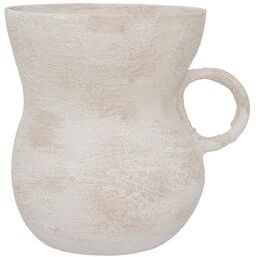
Urban Nature Culture Vase RelaxedQuiet elegancy comes to life in Urban Nature Culture's vase Relaxed. Handmade in Portugal, this ceramic vase has a shape beyond anything you've seen - it's organic, it flows and steals your heart with its playful ear.123,40 $*Shipping: 0,00 $Secure redirect to the provider



-
What are value judgments and factual judgments about Adenauer?
Value judgments about Adenauer refer to subjective opinions on his leadership style, policies, and impact on German history. These judgments are based on personal beliefs and values. Factual judgments about Adenauer, on the other hand, are based on verifiable information and historical evidence about his actions, decisions, and achievements during his time as Chancellor of Germany. These judgments are objective and can be supported by concrete facts and data. **
-
Can you provide examples of non-moral value judgments, moral value judgments, and moral obligation judgments?
Non-moral value judgments are statements about the worth or desirability of something that do not involve moral considerations, such as "I prefer chocolate ice cream over vanilla" or "I like the color blue more than red." Moral value judgments, on the other hand, involve moral considerations and are statements about what is right or wrong, good or bad, such as "It is wrong to steal" or "Helping others is a good thing to do." Moral obligation judgments are statements about what one ought to do based on moral considerations, such as "I should tell the truth" or "I have a duty to help those in need." **
-
What are examples of factual judgments and moral value judgments?
Factual judgments are statements that can be proven true or false based on evidence, such as "The Earth revolves around the Sun" or "Water boils at 100 degrees Celsius." On the other hand, moral value judgments are subjective assessments of right or wrong, good or bad, such as "Stealing is wrong" or "Helping others is a virtuous act." Factual judgments are based on empirical evidence and logic, while moral value judgments are based on personal beliefs, values, and cultural norms. **
-
How can one make ethical moral judgments?
One can make ethical moral judgments by considering the consequences of their actions on others, applying universal principles of fairness and justice, and considering the intentions behind their actions. It is important to consider the perspectives and needs of all parties involved and to act in a way that respects the dignity and rights of others. Additionally, seeking guidance from ethical frameworks, such as utilitarianism or deontology, can help in making informed and ethical moral judgments. **


Are there already judgments against climate activists?
Yes, there have been judgments against climate activists in various countries. For example, in the United States, some climate activists have faced legal consequences for their protests and civil disobedience actions. In other countries, activists have been fined or arrested for their involvement in climate-related demonstrations. These judgments have sparked debates about the balance between the right to protest and the need to maintain public order and safety. **
What are the criteria for evaluating judgments?
The criteria for evaluating judgments include accuracy, relevance, clarity, and consistency. Accuracy refers to the correctness of the judgment based on factual evidence and logical reasoning. Relevance assesses whether the judgment is directly related to the issue at hand. Clarity measures the effectiveness of the communication of the judgment, ensuring that it is easily understood. Consistency examines whether the judgment aligns with other related judgments and does not contradict previous conclusions. These criteria help to ensure that judgments are well-founded and reliable. **
Top-Angebote
Products related to Judgments:
-
From the Archives: Black History and Culture Value PackThis brand-new series is rooted in a profound commitment to shedding light on some of the important -- and often lesser-known -- aspects of Black history. From the Archives features landmarks, events, people, and artistic endeavors that have played...26,99 $*Shipping: 0,00 $Secure redirect to the provider
-
Urban Nature Culture Vase RelaxedQuiet elegancy comes to life in Urban Nature Culture's vase Relaxed. Handmade in Portugal, this ceramic vase has a shape beyond anything you've seen - it's organic, it flows and steals your heart with its playful ear.123,40 $*Shipping: 0,00 $Secure redirect to the provider
-
How do value judgments and factual judgments differ in a history exam?
In a history exam, value judgments are subjective assessments of the significance or moral implications of historical events, while factual judgments are objective assessments of the accuracy and truthfulness of historical information. Value judgments may involve evaluating the impact of historical events on society or determining the significance of certain figures or movements. Factual judgments, on the other hand, involve assessing the accuracy of dates, events, and historical accounts based on evidence and sources. In a history exam, students are expected to demonstrate their ability to make both value judgments and factual judgments in their responses. **
-
What are moral judgments and value judgments?
Moral judgments are assessments or evaluations made about the rightness or wrongness of actions, behaviors, or decisions based on moral principles or ethical standards. They involve determining whether an action is morally acceptable or unacceptable. Value judgments, on the other hand, are assessments made about the worth, importance, or desirability of something based on personal beliefs, preferences, or cultural norms. They involve determining the significance or value of something in relation to one's own values or beliefs. Both types of judgments play a crucial role in guiding our behavior and decision-making. **
-
What are value judgments and factual judgments about Adenauer?
Value judgments about Adenauer refer to subjective opinions on his leadership style, policies, and impact on German history. These judgments are based on personal beliefs and values. Factual judgments about Adenauer, on the other hand, are based on verifiable information and historical evidence about his actions, decisions, and achievements during his time as Chancellor of Germany. These judgments are objective and can be supported by concrete facts and data. **
-
Can you provide examples of non-moral value judgments, moral value judgments, and moral obligation judgments?
Non-moral value judgments are statements about the worth or desirability of something that do not involve moral considerations, such as "I prefer chocolate ice cream over vanilla" or "I like the color blue more than red." Moral value judgments, on the other hand, involve moral considerations and are statements about what is right or wrong, good or bad, such as "It is wrong to steal" or "Helping others is a good thing to do." Moral obligation judgments are statements about what one ought to do based on moral considerations, such as "I should tell the truth" or "I have a duty to help those in need." **
Similar search terms for Judgments
-
Urban Nature Culture Vase Ace - AceSetting forth a tradition that is centuries old, pottery has ever been one of Portugal's trades. Urban Nature Culture loves to work with Portuguese artisans - who use their skills to combine modern looks and contemporary design with techniques of old.145,60 $*Shipping: 0,00 $Secure redirect to the provider
-
Urban Nature Culture Vase Talvi - WhiteFloating the sea waves, a sense of calm takes over, feeling at home in the world. That same feeling we get at home, like a safe haven to relax our senses and feast our eyes on our most cherished things.267,80 $*Shipping: 0,00 $Secure redirect to the provider
-
What are examples of factual judgments and moral value judgments?
Factual judgments are statements that can be proven true or false based on evidence, such as "The Earth revolves around the Sun" or "Water boils at 100 degrees Celsius." On the other hand, moral value judgments are subjective assessments of right or wrong, good or bad, such as "Stealing is wrong" or "Helping others is a virtuous act." Factual judgments are based on empirical evidence and logic, while moral value judgments are based on personal beliefs, values, and cultural norms. **
-
How can one make ethical moral judgments?
One can make ethical moral judgments by considering the consequences of their actions on others, applying universal principles of fairness and justice, and considering the intentions behind their actions. It is important to consider the perspectives and needs of all parties involved and to act in a way that respects the dignity and rights of others. Additionally, seeking guidance from ethical frameworks, such as utilitarianism or deontology, can help in making informed and ethical moral judgments. **
-
Are there already judgments against climate activists?
Yes, there have been judgments against climate activists in various countries. For example, in the United States, some climate activists have faced legal consequences for their protests and civil disobedience actions. In other countries, activists have been fined or arrested for their involvement in climate-related demonstrations. These judgments have sparked debates about the balance between the right to protest and the need to maintain public order and safety. **
-
What are the criteria for evaluating judgments?
The criteria for evaluating judgments include accuracy, relevance, clarity, and consistency. Accuracy refers to the correctness of the judgment based on factual evidence and logical reasoning. Relevance assesses whether the judgment is directly related to the issue at hand. Clarity measures the effectiveness of the communication of the judgment, ensuring that it is easily understood. Consistency examines whether the judgment aligns with other related judgments and does not contradict previous conclusions. These criteria help to ensure that judgments are well-founded and reliable. **
* All prices are inclusive of VAT and, if applicable, plus shipping costs. The offer information is based on the details provided by the respective shop and is updated through automated processes. Real-time updates do not occur, so deviations can occur in individual cases. ** Note: Parts of this content were created by AI.