Buy myalbania.eu ?
We are moving the project
myalbania.eu .
Are you interested in purchasing the domain
myalbania.eu ?
domain@kv-gmbh.de · 0541-91531010
Buy myalbania.eu ?
How can you tense the latissimus dorsi?
To tense the latissimus dorsi, you can perform exercises that involve pulling movements, such as pull-ups, lat pull-downs, rows, and deadlifts. These exercises engage the latissimus dorsi and help to strengthen and tense the muscle. Additionally, focusing on proper form and engaging the latissimus dorsi during these exercises can help to maximize the tension in the muscle. Stretching and foam rolling can also help to release any tightness or tension in the latissimus dorsi, allowing for better activation during exercises. **
Does the latissimus muscle not feel anything?
The latissimus dorsi muscle, commonly referred to as the "lat" muscle, is a large muscle in the back that is involved in various movements of the shoulder and upper body. Like all muscles, the latissimus dorsi is innervated by nerves and is capable of feeling sensations such as pressure, stretching, and pain. However, it does not have the same level of sensitivity as the skin or other more superficial tissues. This is because the muscle is deeper within the body and is primarily responsible for movement rather than sensation. **


Similar search terms for Latissimus
Top-Angebote
Products related to Latissimus:
-
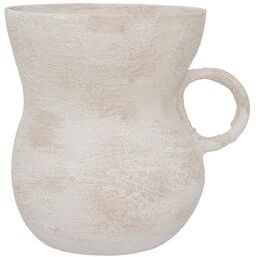
Urban Nature Culture Vase RelaxedQuiet elegancy comes to life in Urban Nature Culture's vase Relaxed. Handmade in Portugal, this ceramic vase has a shape beyond anything you've seen - it's organic, it flows and steals your heart with its playful ear.123,40 $*Shipping: 0,00 $Secure redirect to the provider



-
Is there no muscle soreness in the latissimus?
While it is possible to experience muscle soreness in the latissimus dorsi, it is less common compared to other muscles like the quadriceps or biceps. The latissimus dorsi is a large muscle located in the back that is used for various movements like pulling and lifting. Soreness in the latissimus dorsi may occur after engaging in activities that heavily involve this muscle, such as pull-ups or rows, but it may not be as pronounced or frequent as soreness in other muscle groups. **
-
Am I not feeling my latissimus during training?
If you are not feeling your latissimus during training, it could be due to a lack of mind-muscle connection or improper form. To better engage your latissimus, focus on pulling movements such as pull-ups, rows, and lat pulldowns, and concentrate on squeezing your back muscles at the peak of the movement. Additionally, incorporating isolation exercises like straight-arm pulldowns or dumbbell pullovers can help you target and feel your latissimus more effectively. Lastly, ensure that you are using an appropriate weight that allows you to perform the exercises with proper form and full range of motion. **
-
How can you properly target the latissimus dorsi?
To properly target the latissimus dorsi, it is important to perform exercises that involve pulling movements such as pull-ups, lat pull-downs, rows, and deadlifts. These exercises specifically engage the latissimus dorsi and help to develop strength and size in this muscle. It is also important to focus on proper form and technique to ensure that the latissimus dorsi is being effectively targeted during these exercises. Additionally, incorporating a variety of grips and hand positions can help to fully engage the latissimus dorsi from different angles. **
-
Is there no muscle soreness in the latissimus muscle?
Muscle soreness can occur in the latissimus muscle, especially after engaging in activities that involve using this muscle, such as swimming, rowing, or weightlifting. The latissimus dorsi is a large muscle located in the back, and like any other muscle, it can experience soreness due to overuse, strain, or fatigue. Proper warm-up, stretching, and gradual progression in intensity can help reduce the likelihood of experiencing significant soreness in the latissimus muscle. **


Why don't I feel my latissimus during pull-ups?
There could be several reasons why you may not be feeling your latissimus muscles during pull-ups. One common reason is that other muscles, such as the biceps or upper back muscles, may be taking over and doing more of the work during the exercise. Additionally, your form and technique during pull-ups may not be optimal for targeting the latissimus muscles. It's important to focus on engaging and activating the latissimus muscles by pulling your elbows down and back, rather than just pulling yourself up with your arms. Finally, it's possible that your latissimus muscles may not be as strong or developed as other muscles, which can make it harder to feel them working during pull-ups. Consistent practice and focusing on proper form can help you better engage your latissimus muscles during pull-ups. **
How can you avoid muscle soreness in the latissimus?
To avoid muscle soreness in the latissimus, it's important to properly warm up before engaging in any strenuous activity. This can include dynamic stretching and light cardio to increase blood flow to the muscles. Additionally, it's important to gradually increase the intensity and duration of latissimus exercises to allow the muscles to adapt and prevent overexertion. Proper form and technique during exercises is also crucial to avoid unnecessary strain on the muscles. Lastly, incorporating regular rest days into your workout routine allows the muscles to recover and reduce the likelihood of soreness. **
Top-Angebote
Products related to Latissimus:
-
From the Archives: Black History and Culture Value PackThis brand-new series is rooted in a profound commitment to shedding light on some of the important -- and often lesser-known -- aspects of Black history. From the Archives features landmarks, events, people, and artistic endeavors that have played...26,99 $*Shipping: 0,00 $Secure redirect to the provider
-
Urban Nature Culture Vase RelaxedQuiet elegancy comes to life in Urban Nature Culture's vase Relaxed. Handmade in Portugal, this ceramic vase has a shape beyond anything you've seen - it's organic, it flows and steals your heart with its playful ear.123,40 $*Shipping: 0,00 $Secure redirect to the provider
-
How can you tense the latissimus dorsi?
To tense the latissimus dorsi, you can perform exercises that involve pulling movements, such as pull-ups, lat pull-downs, rows, and deadlifts. These exercises engage the latissimus dorsi and help to strengthen and tense the muscle. Additionally, focusing on proper form and engaging the latissimus dorsi during these exercises can help to maximize the tension in the muscle. Stretching and foam rolling can also help to release any tightness or tension in the latissimus dorsi, allowing for better activation during exercises. **
-
Does the latissimus muscle not feel anything?
The latissimus dorsi muscle, commonly referred to as the "lat" muscle, is a large muscle in the back that is involved in various movements of the shoulder and upper body. Like all muscles, the latissimus dorsi is innervated by nerves and is capable of feeling sensations such as pressure, stretching, and pain. However, it does not have the same level of sensitivity as the skin or other more superficial tissues. This is because the muscle is deeper within the body and is primarily responsible for movement rather than sensation. **
-
Is there no muscle soreness in the latissimus?
While it is possible to experience muscle soreness in the latissimus dorsi, it is less common compared to other muscles like the quadriceps or biceps. The latissimus dorsi is a large muscle located in the back that is used for various movements like pulling and lifting. Soreness in the latissimus dorsi may occur after engaging in activities that heavily involve this muscle, such as pull-ups or rows, but it may not be as pronounced or frequent as soreness in other muscle groups. **
-
Am I not feeling my latissimus during training?
If you are not feeling your latissimus during training, it could be due to a lack of mind-muscle connection or improper form. To better engage your latissimus, focus on pulling movements such as pull-ups, rows, and lat pulldowns, and concentrate on squeezing your back muscles at the peak of the movement. Additionally, incorporating isolation exercises like straight-arm pulldowns or dumbbell pullovers can help you target and feel your latissimus more effectively. Lastly, ensure that you are using an appropriate weight that allows you to perform the exercises with proper form and full range of motion. **
Similar search terms for Latissimus
-
Urban Nature Culture Vase Talvi - WhiteFloating the sea waves, a sense of calm takes over, feeling at home in the world. That same feeling we get at home, like a safe haven to relax our senses and feast our eyes on our most cherished things.267,80 $*Shipping: 0,00 $Secure redirect to the provider
-
Urban Nature Culture Vase Ace - AceSetting forth a tradition that is centuries old, pottery has ever been one of Portugal's trades. Urban Nature Culture loves to work with Portuguese artisans - who use their skills to combine modern looks and contemporary design with techniques of old.145,60 $*Shipping: 0,00 $Secure redirect to the provider
-
How can you properly target the latissimus dorsi?
To properly target the latissimus dorsi, it is important to perform exercises that involve pulling movements such as pull-ups, lat pull-downs, rows, and deadlifts. These exercises specifically engage the latissimus dorsi and help to develop strength and size in this muscle. It is also important to focus on proper form and technique to ensure that the latissimus dorsi is being effectively targeted during these exercises. Additionally, incorporating a variety of grips and hand positions can help to fully engage the latissimus dorsi from different angles. **
-
Is there no muscle soreness in the latissimus muscle?
Muscle soreness can occur in the latissimus muscle, especially after engaging in activities that involve using this muscle, such as swimming, rowing, or weightlifting. The latissimus dorsi is a large muscle located in the back, and like any other muscle, it can experience soreness due to overuse, strain, or fatigue. Proper warm-up, stretching, and gradual progression in intensity can help reduce the likelihood of experiencing significant soreness in the latissimus muscle. **
-
Why don't I feel my latissimus during pull-ups?
There could be several reasons why you may not be feeling your latissimus muscles during pull-ups. One common reason is that other muscles, such as the biceps or upper back muscles, may be taking over and doing more of the work during the exercise. Additionally, your form and technique during pull-ups may not be optimal for targeting the latissimus muscles. It's important to focus on engaging and activating the latissimus muscles by pulling your elbows down and back, rather than just pulling yourself up with your arms. Finally, it's possible that your latissimus muscles may not be as strong or developed as other muscles, which can make it harder to feel them working during pull-ups. Consistent practice and focusing on proper form can help you better engage your latissimus muscles during pull-ups. **
-
How can you avoid muscle soreness in the latissimus?
To avoid muscle soreness in the latissimus, it's important to properly warm up before engaging in any strenuous activity. This can include dynamic stretching and light cardio to increase blood flow to the muscles. Additionally, it's important to gradually increase the intensity and duration of latissimus exercises to allow the muscles to adapt and prevent overexertion. Proper form and technique during exercises is also crucial to avoid unnecessary strain on the muscles. Lastly, incorporating regular rest days into your workout routine allows the muscles to recover and reduce the likelihood of soreness. **
* All prices are inclusive of VAT and, if applicable, plus shipping costs. The offer information is based on the details provided by the respective shop and is updated through automated processes. Real-time updates do not occur, so deviations can occur in individual cases. ** Note: Parts of this content were created by AI.