Buy myalbania.eu ?
We are moving the project
myalbania.eu .
Are you interested in purchasing the domain
myalbania.eu ?
domain@kv-gmbh.de · 0541-91531010
Buy myalbania.eu ?
Why is the Lilliputian village no longer in the Holiday Park?
The Lilliputian village is no longer in the Holiday Park because it was removed to make way for a new attraction or renovation. The park may have decided to update the area and replace it with a new feature to enhance the visitor experience. Alternatively, the Lilliputian village may have been removed due to declining popularity or maintenance issues. Regardless of the reason, the decision to remove the village was likely made to improve the overall appeal and functionality of the Holiday Park. **
Are there Lilliputians only among humans, or are there also Lilliputian animals?
Lilliputians are fictional tiny people from Jonathan Swift's novel "Gulliver's Travels." In the novel, there are no mentions of Lilliputian animals, so they are only depicted as a human-like species. However, in the real world, the term "Lilliputian" can be used to describe anything that is very small in size, so in that sense, there could be Lilliputian animals in the form of tiny insects, rodents, or other creatures. **


Similar search terms for Lilliputian
Top-Angebote
Products related to Lilliputian:
-
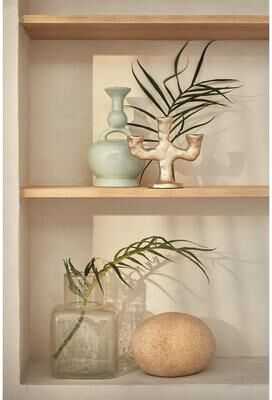
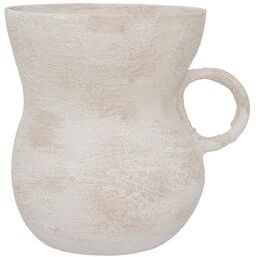
Urban Nature Culture Vase RelaxedQuiet elegancy comes to life in Urban Nature Culture's vase Relaxed. Handmade in Portugal, this ceramic vase has a shape beyond anything you've seen - it's organic, it flows and steals your heart with its playful ear.123,40 $*Shipping: 0,00 $Secure redirect to the provider

-
Is it offensive to call a person with dwarfism a Lilliputian or a dwarf?
Yes, it can be offensive to refer to a person with dwarfism as a Lilliputian or a dwarf. These terms can be seen as derogatory or belittling, reducing the individual to their physical characteristics. It is important to use respectful language when referring to individuals with dwarfism and to treat them with the same dignity and respect as anyone else. It is always best to ask the individual how they prefer to be identified. **
-
Is it an insult to call a person with dwarfism a Lilliputian or a dwarf?
Yes, it can be considered insulting to refer to a person with dwarfism as a Lilliputian or a dwarf. These terms can be seen as derogatory and can contribute to the stigmatization and marginalization of individuals with dwarfism. It is important to use respectful and inclusive language when referring to individuals with disabilities, and to always prioritize their dignity and autonomy. Instead, it is more appropriate to use person-first language and to refer to individuals by their specific condition or by their preferred terminology. **
-
Is man a creature of nature or culture, or is culture the nature of man?
Man is a complex being influenced by both nature and culture. While humans are inherently part of the natural world, our behaviors, beliefs, and practices are largely shaped by the societies we live in. Culture can be seen as the nature of man in the sense that it is a fundamental aspect of human existence, shaping our identities and interactions with the world. Ultimately, the relationship between nature and culture is intertwined in shaping the essence of humanity. **
-
Is man a being of nature or culture, or is culture the nature of man?
Man is a being of both nature and culture. While humans are inherently a part of the natural world, our ability to create and participate in culture sets us apart from other species. Culture shapes our beliefs, behaviors, and interactions with the world, becoming an essential part of our identity. Therefore, culture can be seen as the nature of man, as it influences and defines our existence in profound ways. **

Is culture a form of nature?
Culture is not a form of nature, but rather a product of human society. While culture can be influenced by nature and the environment, it is distinct in that it is created, shared, and passed down through generations by humans. Nature refers to the physical world and natural phenomena, while culture encompasses the beliefs, customs, arts, and social behaviors of a particular group of people. **
What does Cuban cuisine and eating culture look like?
Cuban cuisine is a fusion of Spanish, African, and Caribbean influences, resulting in a diverse and flavorful culinary tradition. Common ingredients include rice, beans, plantains, and various meats such as pork and chicken. Popular dishes include ropa vieja (shredded beef), arroz con pollo (chicken with rice), and lechón asado (roast pork). Eating culture in Cuba is centered around family and community, with meals often being a social and communal experience. It is common for Cubans to share meals with extended family and friends, and food is an important part of social gatherings and celebrations. **
Top-Angebote
Products related to Lilliputian:
-
From the Archives: Black History and Culture Value PackThis brand-new series is rooted in a profound commitment to shedding light on some of the important -- and often lesser-known -- aspects of Black history. From the Archives features landmarks, events, people, and artistic endeavors that have played...26,99 $*Shipping: 0,00 $Secure redirect to the provider
-
Urban Nature Culture Vase RelaxedQuiet elegancy comes to life in Urban Nature Culture's vase Relaxed. Handmade in Portugal, this ceramic vase has a shape beyond anything you've seen - it's organic, it flows and steals your heart with its playful ear.123,40 $*Shipping: 0,00 $Secure redirect to the provider
-
Why is the Lilliputian village no longer in the Holiday Park?
The Lilliputian village is no longer in the Holiday Park because it was removed to make way for a new attraction or renovation. The park may have decided to update the area and replace it with a new feature to enhance the visitor experience. Alternatively, the Lilliputian village may have been removed due to declining popularity or maintenance issues. Regardless of the reason, the decision to remove the village was likely made to improve the overall appeal and functionality of the Holiday Park. **
-
Are there Lilliputians only among humans, or are there also Lilliputian animals?
Lilliputians are fictional tiny people from Jonathan Swift's novel "Gulliver's Travels." In the novel, there are no mentions of Lilliputian animals, so they are only depicted as a human-like species. However, in the real world, the term "Lilliputian" can be used to describe anything that is very small in size, so in that sense, there could be Lilliputian animals in the form of tiny insects, rodents, or other creatures. **
-
Is it offensive to call a person with dwarfism a Lilliputian or a dwarf?
Yes, it can be offensive to refer to a person with dwarfism as a Lilliputian or a dwarf. These terms can be seen as derogatory or belittling, reducing the individual to their physical characteristics. It is important to use respectful language when referring to individuals with dwarfism and to treat them with the same dignity and respect as anyone else. It is always best to ask the individual how they prefer to be identified. **
-
Is it an insult to call a person with dwarfism a Lilliputian or a dwarf?
Yes, it can be considered insulting to refer to a person with dwarfism as a Lilliputian or a dwarf. These terms can be seen as derogatory and can contribute to the stigmatization and marginalization of individuals with dwarfism. It is important to use respectful and inclusive language when referring to individuals with disabilities, and to always prioritize their dignity and autonomy. Instead, it is more appropriate to use person-first language and to refer to individuals by their specific condition or by their preferred terminology. **
Similar search terms for Lilliputian
-
Urban Nature Culture Vase Talvi - WhiteFloating the sea waves, a sense of calm takes over, feeling at home in the world. That same feeling we get at home, like a safe haven to relax our senses and feast our eyes on our most cherished things.267,80 $*Shipping: 0,00 $Secure redirect to the provider
-
Urban Nature Culture Vase Ace - AceSetting forth a tradition that is centuries old, pottery has ever been one of Portugal's trades. Urban Nature Culture loves to work with Portuguese artisans - who use their skills to combine modern looks and contemporary design with techniques of old.145,60 $*Shipping: 0,00 $Secure redirect to the provider
-
Is man a creature of nature or culture, or is culture the nature of man?
Man is a complex being influenced by both nature and culture. While humans are inherently part of the natural world, our behaviors, beliefs, and practices are largely shaped by the societies we live in. Culture can be seen as the nature of man in the sense that it is a fundamental aspect of human existence, shaping our identities and interactions with the world. Ultimately, the relationship between nature and culture is intertwined in shaping the essence of humanity. **
-
Is man a being of nature or culture, or is culture the nature of man?
Man is a being of both nature and culture. While humans are inherently a part of the natural world, our ability to create and participate in culture sets us apart from other species. Culture shapes our beliefs, behaviors, and interactions with the world, becoming an essential part of our identity. Therefore, culture can be seen as the nature of man, as it influences and defines our existence in profound ways. **
-
Is culture a form of nature?
Culture is not a form of nature, but rather a product of human society. While culture can be influenced by nature and the environment, it is distinct in that it is created, shared, and passed down through generations by humans. Nature refers to the physical world and natural phenomena, while culture encompasses the beliefs, customs, arts, and social behaviors of a particular group of people. **
-
What does Cuban cuisine and eating culture look like?
Cuban cuisine is a fusion of Spanish, African, and Caribbean influences, resulting in a diverse and flavorful culinary tradition. Common ingredients include rice, beans, plantains, and various meats such as pork and chicken. Popular dishes include ropa vieja (shredded beef), arroz con pollo (chicken with rice), and lechón asado (roast pork). Eating culture in Cuba is centered around family and community, with meals often being a social and communal experience. It is common for Cubans to share meals with extended family and friends, and food is an important part of social gatherings and celebrations. **
* All prices are inclusive of VAT and, if applicable, plus shipping costs. The offer information is based on the details provided by the respective shop and is updated through automated processes. Real-time updates do not occur, so deviations can occur in individual cases. ** Note: Parts of this content were created by AI.