Buy myalbania.eu ?
We are moving the project
myalbania.eu .
Are you interested in purchasing the domain
myalbania.eu ?
domain@kv-gmbh.de · 0541-91531010
Buy myalbania.eu ?
Who knows Paroxetine?
Paroxetine is a medication that belongs to the class of selective serotonin reuptake inhibitors (SSRIs) and is commonly used to treat conditions such as depression, anxiety disorders, and obsessive-compulsive disorder. Psychiatrists, general practitioners, and other healthcare professionals are likely to be familiar with Paroxetine as it is a commonly prescribed medication for these conditions. Additionally, individuals who have been prescribed Paroxetine or have a loved one taking the medication may also be familiar with it. **
How does Paroxetine work for social phobia?
Paroxetine, a selective serotonin reuptake inhibitor (SSRI), works for social phobia by increasing the levels of serotonin in the brain. Serotonin is a neurotransmitter that plays a key role in regulating mood, anxiety, and fear. By increasing serotonin levels, paroxetine helps to reduce the symptoms of social phobia, such as excessive fear and anxiety in social situations. It can also help improve mood and overall functioning in individuals with social phobia. **


Similar search terms for Paroxetine
Top-Angebote
Products related to Paroxetine:
-
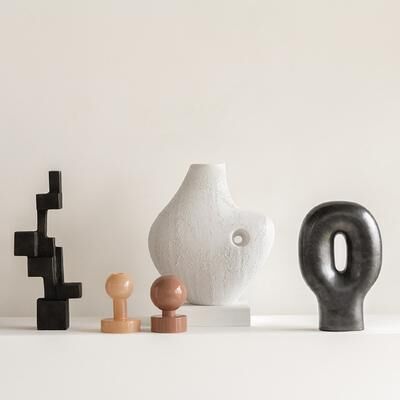
Urban Nature Culture Vase RelaxedQuiet elegancy comes to life in Urban Nature Culture's vase Relaxed. Handmade in Portugal, this ceramic vase has a shape beyond anything you've seen - it's organic, it flows and steals your heart with its playful ear.123,40 $*Shipping: 0,00 $Secure redirect to the provider
-
Urban Nature Culture Vase Ace - AceSetting forth a tradition that is centuries old, pottery has ever been one of Portugal's trades. Urban Nature Culture loves to work with Portuguese artisans - who use their skills to combine modern looks and contemporary design with techniques of old.145,60 $*Shipping: 0,00 $Secure redirect to the provider




-
What is the effect of paroxetine and ketamine?
Paroxetine is a selective serotonin reuptake inhibitor (SSRI) commonly used to treat depression, anxiety disorders, and other mental health conditions. It works by increasing the levels of serotonin in the brain, which helps improve mood and reduce symptoms of depression and anxiety. Ketamine, on the other hand, is a dissociative anesthetic that has shown promise in treating treatment-resistant depression and acute suicidal ideation. It works by blocking N-methyl-D-aspartate (NMDA) receptors in the brain, leading to rapid antidepressant effects. Both medications can have significant effects on mood and mental health, but they work through different mechanisms. **
-
What is the connection between paroxetine and NSAIDs?
Paroxetine is a selective serotonin reuptake inhibitor (SSRI) used to treat depression, anxiety disorders, and other mental health conditions. NSAIDs, or nonsteroidal anti-inflammatory drugs, are a class of medications commonly used to reduce pain and inflammation. The connection between paroxetine and NSAIDs is that they both have the potential to increase the risk of bleeding when taken together. This is because both medications can affect the body's ability to form blood clots, which can lead to an increased risk of bleeding, especially in the gastrointestinal tract. Therefore, it is important for individuals taking both paroxetine and NSAIDs to be monitored closely by their healthcare provider. **
-
What is the interaction between passionflower and the SSRI Paroxetine?
Passionflower is a natural remedy that is sometimes used to help with anxiety and insomnia. When taken in combination with the SSRI Paroxetine, there is a potential for increased side effects such as dizziness, drowsiness, and difficulty concentrating. It is important to consult with a healthcare provider before combining these two substances to ensure there are no adverse interactions. **
-
How long does it take for Paroxetine to take effect?
Paroxetine, a commonly prescribed antidepressant, typically takes around 4-6 weeks to start showing its full therapeutic effects. However, some individuals may start to notice improvements in their symptoms within the first 1-2 weeks of starting the medication. It is important to continue taking Paroxetine as prescribed by a healthcare professional, even if the effects are not immediately noticeable, as it can take time for the medication to reach its full potential in managing symptoms. It is also important to communicate with a healthcare provider about any concerns or changes in symptoms while taking Paroxetine. **

What is the interaction between the passionflower and the SSRI Paroxetine?
Passionflower may interact with the SSRI Paroxetine by increasing the risk of serotonin syndrome, a potentially life-threatening condition. Both passionflower and Paroxetine can increase serotonin levels in the brain, and when taken together, this can lead to an excessive accumulation of serotonin. Symptoms of serotonin syndrome include agitation, confusion, rapid heart rate, and high blood pressure. It is important to consult with a healthcare professional before combining passionflower and Paroxetine to avoid potential adverse effects. **
What are possible causes of electric shocks in the head after discontinuing Paroxetine?
Electric shocks in the head, also known as brain zaps, are a common withdrawal symptom of Paroxetine, a type of antidepressant known as a selective serotonin reuptake inhibitor (SSRI). These sensations are thought to be caused by the sudden decrease in serotonin levels in the brain when discontinuing the medication. The brain zaps are often described as a feeling of electrical jolts or shocks in the head, and can be accompanied by dizziness, nausea, and other physical symptoms. It is important to consult with a healthcare professional before discontinuing any medication, as they can provide guidance on how to safely taper off the medication to minimize withdrawal symptoms. **
Top-Angebote
Products related to Paroxetine:
-
From the Archives: Black History and Culture Value PackThis brand-new series is rooted in a profound commitment to shedding light on some of the important -- and often lesser-known -- aspects of Black history. From the Archives features landmarks, events, people, and artistic endeavors that have played...26,99 $*Shipping: 0,00 $Secure redirect to the provider
-
Urban Nature Culture Vase RelaxedQuiet elegancy comes to life in Urban Nature Culture's vase Relaxed. Handmade in Portugal, this ceramic vase has a shape beyond anything you've seen - it's organic, it flows and steals your heart with its playful ear.123,40 $*Shipping: 0,00 $Secure redirect to the provider
-
Who knows Paroxetine?
Paroxetine is a medication that belongs to the class of selective serotonin reuptake inhibitors (SSRIs) and is commonly used to treat conditions such as depression, anxiety disorders, and obsessive-compulsive disorder. Psychiatrists, general practitioners, and other healthcare professionals are likely to be familiar with Paroxetine as it is a commonly prescribed medication for these conditions. Additionally, individuals who have been prescribed Paroxetine or have a loved one taking the medication may also be familiar with it. **
-
How does Paroxetine work for social phobia?
Paroxetine, a selective serotonin reuptake inhibitor (SSRI), works for social phobia by increasing the levels of serotonin in the brain. Serotonin is a neurotransmitter that plays a key role in regulating mood, anxiety, and fear. By increasing serotonin levels, paroxetine helps to reduce the symptoms of social phobia, such as excessive fear and anxiety in social situations. It can also help improve mood and overall functioning in individuals with social phobia. **
-
What is the effect of paroxetine and ketamine?
Paroxetine is a selective serotonin reuptake inhibitor (SSRI) commonly used to treat depression, anxiety disorders, and other mental health conditions. It works by increasing the levels of serotonin in the brain, which helps improve mood and reduce symptoms of depression and anxiety. Ketamine, on the other hand, is a dissociative anesthetic that has shown promise in treating treatment-resistant depression and acute suicidal ideation. It works by blocking N-methyl-D-aspartate (NMDA) receptors in the brain, leading to rapid antidepressant effects. Both medications can have significant effects on mood and mental health, but they work through different mechanisms. **
-
What is the connection between paroxetine and NSAIDs?
Paroxetine is a selective serotonin reuptake inhibitor (SSRI) used to treat depression, anxiety disorders, and other mental health conditions. NSAIDs, or nonsteroidal anti-inflammatory drugs, are a class of medications commonly used to reduce pain and inflammation. The connection between paroxetine and NSAIDs is that they both have the potential to increase the risk of bleeding when taken together. This is because both medications can affect the body's ability to form blood clots, which can lead to an increased risk of bleeding, especially in the gastrointestinal tract. Therefore, it is important for individuals taking both paroxetine and NSAIDs to be monitored closely by their healthcare provider. **
Similar search terms for Paroxetine
-
Urban Nature Culture Vase Ace - AceSetting forth a tradition that is centuries old, pottery has ever been one of Portugal's trades. Urban Nature Culture loves to work with Portuguese artisans - who use their skills to combine modern looks and contemporary design with techniques of old.145,60 $*Shipping: 0,00 $Secure redirect to the provider
-
Urban Nature Culture Vase Talvi - WhiteFloating the sea waves, a sense of calm takes over, feeling at home in the world. That same feeling we get at home, like a safe haven to relax our senses and feast our eyes on our most cherished things.267,80 $*Shipping: 0,00 $Secure redirect to the provider
-
What is the interaction between passionflower and the SSRI Paroxetine?
Passionflower is a natural remedy that is sometimes used to help with anxiety and insomnia. When taken in combination with the SSRI Paroxetine, there is a potential for increased side effects such as dizziness, drowsiness, and difficulty concentrating. It is important to consult with a healthcare provider before combining these two substances to ensure there are no adverse interactions. **
-
How long does it take for Paroxetine to take effect?
Paroxetine, a commonly prescribed antidepressant, typically takes around 4-6 weeks to start showing its full therapeutic effects. However, some individuals may start to notice improvements in their symptoms within the first 1-2 weeks of starting the medication. It is important to continue taking Paroxetine as prescribed by a healthcare professional, even if the effects are not immediately noticeable, as it can take time for the medication to reach its full potential in managing symptoms. It is also important to communicate with a healthcare provider about any concerns or changes in symptoms while taking Paroxetine. **
-
What is the interaction between the passionflower and the SSRI Paroxetine?
Passionflower may interact with the SSRI Paroxetine by increasing the risk of serotonin syndrome, a potentially life-threatening condition. Both passionflower and Paroxetine can increase serotonin levels in the brain, and when taken together, this can lead to an excessive accumulation of serotonin. Symptoms of serotonin syndrome include agitation, confusion, rapid heart rate, and high blood pressure. It is important to consult with a healthcare professional before combining passionflower and Paroxetine to avoid potential adverse effects. **
-
What are possible causes of electric shocks in the head after discontinuing Paroxetine?
Electric shocks in the head, also known as brain zaps, are a common withdrawal symptom of Paroxetine, a type of antidepressant known as a selective serotonin reuptake inhibitor (SSRI). These sensations are thought to be caused by the sudden decrease in serotonin levels in the brain when discontinuing the medication. The brain zaps are often described as a feeling of electrical jolts or shocks in the head, and can be accompanied by dizziness, nausea, and other physical symptoms. It is important to consult with a healthcare professional before discontinuing any medication, as they can provide guidance on how to safely taper off the medication to minimize withdrawal symptoms. **
* All prices are inclusive of VAT and, if applicable, plus shipping costs. The offer information is based on the details provided by the respective shop and is updated through automated processes. Real-time updates do not occur, so deviations can occur in individual cases. ** Note: Parts of this content were created by AI.