Buy myalbania.eu ?
We are moving the project
myalbania.eu .
Are you interested in purchasing the domain
myalbania.eu ?
domain@kv-gmbh.de · 0541-91531010
Buy myalbania.eu ?
What does "alter Schwede" actually mean?
"Alter Schwede" is a colloquial German expression that is used to express surprise, astonishment, or disbelief. It can be translated to English as "old Swede" but it is not meant to be taken literally. Instead, it is used as an exclamation similar to saying "wow" or "oh my goodness" in English. **
Why do people say "Alter Schwede"?
The phrase "Alter Schwede" is a colloquial expression in German that is used to express surprise or astonishment. The origin of the phrase is not entirely clear, but it is believed to have originated in the 19th century and may have been used to refer to Swedish soldiers who were known for their strength and toughness. Over time, the phrase has evolved to become a common expression in German-speaking countries to convey amazement or disbelief. **

Similar search terms for Schwede
Top-Angebote
Products related to Schwede:
-
Urban Nature Culture Vase Talvi - WhiteFloating the sea waves, a sense of calm takes over, feeling at home in the world. That same feeling we get at home, like a safe haven to relax our senses and feast our eyes on our most cherished things.267,80 $*Shipping: 0,00 $Secure redirect to the provider




-
Where does the expression "alter Schwede" come from?
The expression "alter Schwede" comes from the German language and is used to express surprise or astonishment. The origin of the expression is not entirely clear, but it is believed to have originated in the 18th or 19th century. One theory is that it may have been used by German soldiers during the Thirty Years' War to refer to the Swedish soldiers, who were known for their strength and bravery. Over time, the expression evolved to become a colloquial way of expressing surprise or amazement. **
-
What does it mean when someone says "Alter Schwede"?
"Alter Schwede" is a colloquial expression in German that is used to express surprise, amazement, or disbelief. It can be translated to "old Swede" in English, but it is not meant to refer to an actual Swedish person. Instead, it is used as an exclamation similar to "wow" or "oh my goodness" in English. It is a lighthearted and informal way to convey strong emotions in a conversation. **
-
Is man a creature of nature or culture, or is culture the nature of man?
Man is a complex being influenced by both nature and culture. While humans are inherently part of the natural world, our behaviors, beliefs, and practices are largely shaped by the societies we live in. Culture can be seen as the nature of man in the sense that it is a fundamental aspect of human existence, shaping our identities and interactions with the world. Ultimately, the relationship between nature and culture is intertwined in shaping the essence of humanity. **
-
Is man a being of nature or culture, or is culture the nature of man?
Man is a being of both nature and culture. While humans are inherently a part of the natural world, our ability to create and participate in culture sets us apart from other species. Culture shapes our beliefs, behaviors, and interactions with the world, becoming an essential part of our identity. Therefore, culture can be seen as the nature of man, as it influences and defines our existence in profound ways. **

Is culture a form of nature?
Culture is not a form of nature, but rather a product of human society. While culture can be influenced by nature and the environment, it is distinct in that it is created, shared, and passed down through generations by humans. Nature refers to the physical world and natural phenomena, while culture encompasses the beliefs, customs, arts, and social behaviors of a particular group of people. **
What does Cuban cuisine and eating culture look like?
Cuban cuisine is a fusion of Spanish, African, and Caribbean influences, resulting in a diverse and flavorful culinary tradition. Common ingredients include rice, beans, plantains, and various meats such as pork and chicken. Popular dishes include ropa vieja (shredded beef), arroz con pollo (chicken with rice), and lechón asado (roast pork). Eating culture in Cuba is centered around family and community, with meals often being a social and communal experience. It is common for Cubans to share meals with extended family and friends, and food is an important part of social gatherings and celebrations. **
Top-Angebote
Products related to Schwede:
-
From the Archives: Black History and Culture Value PackThis brand-new series is rooted in a profound commitment to shedding light on some of the important -- and often lesser-known -- aspects of Black history. From the Archives features landmarks, events, people, and artistic endeavors that have played...26,99 $*Shipping: 0,00 $Secure redirect to the provider
-
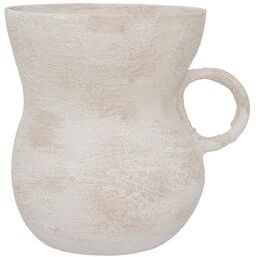
Urban Nature Culture Vase RelaxedQuiet elegancy comes to life in Urban Nature Culture's vase Relaxed. Handmade in Portugal, this ceramic vase has a shape beyond anything you've seen - it's organic, it flows and steals your heart with its playful ear.123,40 $*Shipping: 0,00 $Secure redirect to the provider
-
What does "alter Schwede" actually mean?
"Alter Schwede" is a colloquial German expression that is used to express surprise, astonishment, or disbelief. It can be translated to English as "old Swede" but it is not meant to be taken literally. Instead, it is used as an exclamation similar to saying "wow" or "oh my goodness" in English. **
-
Why do people say "Alter Schwede"?
The phrase "Alter Schwede" is a colloquial expression in German that is used to express surprise or astonishment. The origin of the phrase is not entirely clear, but it is believed to have originated in the 19th century and may have been used to refer to Swedish soldiers who were known for their strength and toughness. Over time, the phrase has evolved to become a common expression in German-speaking countries to convey amazement or disbelief. **
-
Where does the expression "alter Schwede" come from?
The expression "alter Schwede" comes from the German language and is used to express surprise or astonishment. The origin of the expression is not entirely clear, but it is believed to have originated in the 18th or 19th century. One theory is that it may have been used by German soldiers during the Thirty Years' War to refer to the Swedish soldiers, who were known for their strength and bravery. Over time, the expression evolved to become a colloquial way of expressing surprise or amazement. **
-
What does it mean when someone says "Alter Schwede"?
"Alter Schwede" is a colloquial expression in German that is used to express surprise, amazement, or disbelief. It can be translated to "old Swede" in English, but it is not meant to refer to an actual Swedish person. Instead, it is used as an exclamation similar to "wow" or "oh my goodness" in English. It is a lighthearted and informal way to convey strong emotions in a conversation. **
Similar search terms for Schwede
-
Urban Nature Culture Vase Talvi - WhiteFloating the sea waves, a sense of calm takes over, feeling at home in the world. That same feeling we get at home, like a safe haven to relax our senses and feast our eyes on our most cherished things.267,80 $*Shipping: 0,00 $Secure redirect to the provider
-
Urban Nature Culture Vase Ace - AceSetting forth a tradition that is centuries old, pottery has ever been one of Portugal's trades. Urban Nature Culture loves to work with Portuguese artisans - who use their skills to combine modern looks and contemporary design with techniques of old.145,60 $*Shipping: 0,00 $Secure redirect to the provider
-
Is man a creature of nature or culture, or is culture the nature of man?
Man is a complex being influenced by both nature and culture. While humans are inherently part of the natural world, our behaviors, beliefs, and practices are largely shaped by the societies we live in. Culture can be seen as the nature of man in the sense that it is a fundamental aspect of human existence, shaping our identities and interactions with the world. Ultimately, the relationship between nature and culture is intertwined in shaping the essence of humanity. **
-
Is man a being of nature or culture, or is culture the nature of man?
Man is a being of both nature and culture. While humans are inherently a part of the natural world, our ability to create and participate in culture sets us apart from other species. Culture shapes our beliefs, behaviors, and interactions with the world, becoming an essential part of our identity. Therefore, culture can be seen as the nature of man, as it influences and defines our existence in profound ways. **
-
Is culture a form of nature?
Culture is not a form of nature, but rather a product of human society. While culture can be influenced by nature and the environment, it is distinct in that it is created, shared, and passed down through generations by humans. Nature refers to the physical world and natural phenomena, while culture encompasses the beliefs, customs, arts, and social behaviors of a particular group of people. **
-
What does Cuban cuisine and eating culture look like?
Cuban cuisine is a fusion of Spanish, African, and Caribbean influences, resulting in a diverse and flavorful culinary tradition. Common ingredients include rice, beans, plantains, and various meats such as pork and chicken. Popular dishes include ropa vieja (shredded beef), arroz con pollo (chicken with rice), and lechón asado (roast pork). Eating culture in Cuba is centered around family and community, with meals often being a social and communal experience. It is common for Cubans to share meals with extended family and friends, and food is an important part of social gatherings and celebrations. **
* All prices are inclusive of VAT and, if applicable, plus shipping costs. The offer information is based on the details provided by the respective shop and is updated through automated processes. Real-time updates do not occur, so deviations can occur in individual cases. ** Note: Parts of this content were created by AI.