Buy myalbania.eu ?
We are moving the project
myalbania.eu .
Are you interested in purchasing the domain
myalbania.eu ?
domain@kv-gmbh.de · 0541-91531010
Buy myalbania.eu ?
How can I motivate myself to learn natural sciences, history, and culture?
To motivate yourself to learn natural sciences, history, and culture, you can start by setting specific and achievable goals for each subject. Break down the topics into smaller, manageable chunks and reward yourself when you reach each milestone. Additionally, find ways to make the learning process enjoyable, such as watching documentaries, visiting museums, or participating in hands-on experiments. Surrounding yourself with like-minded individuals who share your interests can also provide motivation and support. Finally, remind yourself of the value of gaining knowledge in these areas and how it can contribute to your personal and intellectual growth. **
Geography, Social Sciences, or History?
It ultimately depends on your interests and career goals. If you are interested in understanding the physical features of the Earth and how they impact human societies, then geography might be the best fit for you. If you are more interested in studying human behavior, societies, and cultures, then social sciences could be a good choice. If you are fascinated by past events, their causes, and their impact on the present, then history might be the most suitable option for you. Each of these disciplines offers unique perspectives and opportunities for exploration and research. **

Similar search terms for Sciences
Top-Angebote
Products related to Sciences:
-
Urban Nature Culture Vase RelaxedQuiet elegancy comes to life in Urban Nature Culture's vase Relaxed. Handmade in Portugal, this ceramic vase has a shape beyond anything you've seen - it's organic, it flows and steals your heart with its playful ear.123,40 $*Shipping: 0,00 $Secure redirect to the provider




-
Should I choose history or social sciences?
The choice between history and social sciences ultimately depends on your interests and career goals. If you are more interested in studying past events, cultures, and societies, history may be the better choice for you. On the other hand, if you are interested in understanding human behavior, society, and relationships, social sciences may be a better fit. Consider your strengths, passions, and future aspirations when making this decision. **
-
Can I switch from history to social sciences?
Yes, it is possible to switch from studying history to social sciences. Many universities offer interdisciplinary programs that allow students to explore a variety of subjects within the social sciences, including history, sociology, anthropology, political science, and more. Additionally, the skills and knowledge gained from studying history can be valuable in pursuing a degree in social sciences, as they often complement each other. It's important to research the specific requirements and options at the university you are interested in to make a smooth transition. **
-
How can one study history and social sciences for teaching?
One can study history and social sciences for teaching by pursuing a degree in education with a focus on these subjects. This can involve taking courses in history, sociology, political science, and other related fields, as well as completing a student teaching experience. Additionally, individuals can engage in independent research and reading to deepen their understanding of historical events and social phenomena. It is also beneficial to stay updated on current events and trends in the field of history and social sciences to bring a contemporary perspective to the classroom. **
-
What is the difference between social sciences and society sciences?
The term "social sciences" refers to the academic disciplines that study human society and social relationships, such as sociology, anthropology, psychology, and economics. These disciplines focus on understanding human behavior, social structures, and cultural phenomena. On the other hand, "society sciences" is not a commonly used term in academic discourse. It may refer to the study of society as a whole, including its institutions, norms, and dynamics. However, it is not a widely recognized or established term in the academic or scientific community. In summary, the main difference between the two terms is that "social sciences" refers to established academic disciplines that study human society, while "society sciences" is not a widely recognized term and may have a broader, more general meaning. **


Educational sciences or geography?
The choice between educational sciences and geography ultimately depends on your interests and career goals. If you are passionate about understanding how people learn and develop, and want to work in education or research, then educational sciences may be the better choice. On the other hand, if you are fascinated by the Earth's physical features, human interactions with the environment, and spatial relationships, then geography could be the more suitable option. Consider your strengths, interests, and future aspirations to make an informed decision between the two fields. **
'Education Sciences or Geography?'
Both Education Sciences and Geography are valuable fields of study, each offering unique perspectives and opportunities. Education Sciences focus on understanding how people learn and develop, as well as how to improve educational systems and practices. On the other hand, Geography explores the physical environment, human societies, and the interactions between them. Ultimately, the choice between the two depends on your interests and career goals. If you are passionate about teaching, learning, and educational policy, Education Sciences may be the right choice for you. However, if you are more interested in studying the Earth's landscapes, cultures, and environments, Geography could be a better fit. **
Top-Angebote
Products related to Sciences:
-
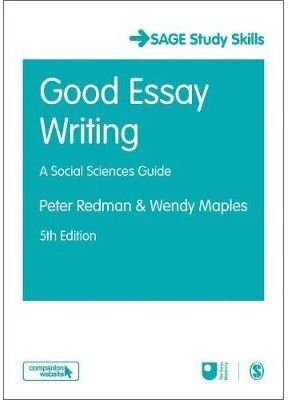
SAGE Publications Good Essay Writing: A Social Sciences Guide (Student Success)Writing good essays is one of the most challenging aspects of studying in the social sciences. This simple guide provides you with proven approaches and techniques to help turn you into a well-oiled, essay writing machine. Good Essay Writing demonstrates how to think critically and formulate your argument as well as offering water-tight structuring tips, referencing advice and a word on those all too familiar common worries – all brought to life through real student examples from a range of subjects. Now in its fifth edition, this fresh update contains: New essay examples are analysed and discussed, so you have a clear understanding of what makes a good essay A new chapter on essay writing skills and other forms of social science writing, helping you transfer the skills you learn to different types of written assessments A new Companion Website providing additional exercises and examples, helping you practice and apply the skills. This practical guide is an absolute must for everybody wanting - or needing - to brush up on their essay writing skills and boost their grades.10,50 £*Shipping: 2,99 £Secure redirect to the provider
-
From the Archives: Black History and Culture Value PackThis brand-new series is rooted in a profound commitment to shedding light on some of the important -- and often lesser-known -- aspects of Black history. From the Archives features landmarks, events, people, and artistic endeavors that have played...26,99 $*Shipping: 0,00 $Secure redirect to the provider
-
How can I motivate myself to learn natural sciences, history, and culture?
To motivate yourself to learn natural sciences, history, and culture, you can start by setting specific and achievable goals for each subject. Break down the topics into smaller, manageable chunks and reward yourself when you reach each milestone. Additionally, find ways to make the learning process enjoyable, such as watching documentaries, visiting museums, or participating in hands-on experiments. Surrounding yourself with like-minded individuals who share your interests can also provide motivation and support. Finally, remind yourself of the value of gaining knowledge in these areas and how it can contribute to your personal and intellectual growth. **
-
Geography, Social Sciences, or History?
It ultimately depends on your interests and career goals. If you are interested in understanding the physical features of the Earth and how they impact human societies, then geography might be the best fit for you. If you are more interested in studying human behavior, societies, and cultures, then social sciences could be a good choice. If you are fascinated by past events, their causes, and their impact on the present, then history might be the most suitable option for you. Each of these disciplines offers unique perspectives and opportunities for exploration and research. **
-
Should I choose history or social sciences?
The choice between history and social sciences ultimately depends on your interests and career goals. If you are more interested in studying past events, cultures, and societies, history may be the better choice for you. On the other hand, if you are interested in understanding human behavior, society, and relationships, social sciences may be a better fit. Consider your strengths, passions, and future aspirations when making this decision. **
-
Can I switch from history to social sciences?
Yes, it is possible to switch from studying history to social sciences. Many universities offer interdisciplinary programs that allow students to explore a variety of subjects within the social sciences, including history, sociology, anthropology, political science, and more. Additionally, the skills and knowledge gained from studying history can be valuable in pursuing a degree in social sciences, as they often complement each other. It's important to research the specific requirements and options at the university you are interested in to make a smooth transition. **
Similar search terms for Sciences
-
Urban Nature Culture Vase RelaxedQuiet elegancy comes to life in Urban Nature Culture's vase Relaxed. Handmade in Portugal, this ceramic vase has a shape beyond anything you've seen - it's organic, it flows and steals your heart with its playful ear.123,40 $*Shipping: 0,00 $Secure redirect to the provider
-
Urban Nature Culture Vase Talvi - WhiteFloating the sea waves, a sense of calm takes over, feeling at home in the world. That same feeling we get at home, like a safe haven to relax our senses and feast our eyes on our most cherished things.267,80 $*Shipping: 0,00 $Secure redirect to the provider
-
How can one study history and social sciences for teaching?
One can study history and social sciences for teaching by pursuing a degree in education with a focus on these subjects. This can involve taking courses in history, sociology, political science, and other related fields, as well as completing a student teaching experience. Additionally, individuals can engage in independent research and reading to deepen their understanding of historical events and social phenomena. It is also beneficial to stay updated on current events and trends in the field of history and social sciences to bring a contemporary perspective to the classroom. **
-
What is the difference between social sciences and society sciences?
The term "social sciences" refers to the academic disciplines that study human society and social relationships, such as sociology, anthropology, psychology, and economics. These disciplines focus on understanding human behavior, social structures, and cultural phenomena. On the other hand, "society sciences" is not a commonly used term in academic discourse. It may refer to the study of society as a whole, including its institutions, norms, and dynamics. However, it is not a widely recognized or established term in the academic or scientific community. In summary, the main difference between the two terms is that "social sciences" refers to established academic disciplines that study human society, while "society sciences" is not a widely recognized term and may have a broader, more general meaning. **
-
Educational sciences or geography?
The choice between educational sciences and geography ultimately depends on your interests and career goals. If you are passionate about understanding how people learn and develop, and want to work in education or research, then educational sciences may be the better choice. On the other hand, if you are fascinated by the Earth's physical features, human interactions with the environment, and spatial relationships, then geography could be the more suitable option. Consider your strengths, interests, and future aspirations to make an informed decision between the two fields. **
-
'Education Sciences or Geography?'
Both Education Sciences and Geography are valuable fields of study, each offering unique perspectives and opportunities. Education Sciences focus on understanding how people learn and develop, as well as how to improve educational systems and practices. On the other hand, Geography explores the physical environment, human societies, and the interactions between them. Ultimately, the choice between the two depends on your interests and career goals. If you are passionate about teaching, learning, and educational policy, Education Sciences may be the right choice for you. However, if you are more interested in studying the Earth's landscapes, cultures, and environments, Geography could be a better fit. **
* All prices are inclusive of VAT and, if applicable, plus shipping costs. The offer information is based on the details provided by the respective shop and is updated through automated processes. Real-time updates do not occur, so deviations can occur in individual cases. ** Note: Parts of this content were created by AI.