Buy myalbania.eu ?
We are moving the project
myalbania.eu .
Are you interested in purchasing the domain
myalbania.eu ?
domain@kv-gmbh.de · 0541-91531010
Buy myalbania.eu ?
Do tadpoles eat other tadpoles?
Yes, some tadpoles are known to exhibit cannibalistic behavior and may eat other tadpoles. This behavior is more commonly seen in species that have large clutch sizes and limited resources, leading to competition for food. Cannibalism among tadpoles can help regulate population size and ensure the survival of the fittest individuals. **
How do advanced tadpoles kill other tadpoles?
Advanced tadpoles kill other tadpoles by exhibiting cannibalistic behavior. They are known to prey on smaller, less developed tadpoles, often consuming them as a source of food. This behavior is a survival strategy, as it helps the advanced tadpoles to eliminate competition for resources and increase their own chances of survival and growth. Additionally, some advanced tadpoles may also release toxic chemicals into the water to kill or deter other tadpoles in their environment. **


Similar search terms for Tadpoles
Top-Angebote
Products related to Tadpoles:
-
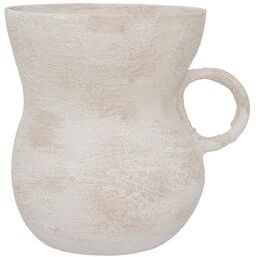
Urban Nature Culture Vase RelaxedQuiet elegancy comes to life in Urban Nature Culture's vase Relaxed. Handmade in Portugal, this ceramic vase has a shape beyond anything you've seen - it's organic, it flows and steals your heart with its playful ear.123,40 $*Shipping: 0,00 $Secure redirect to the provider



-
Don't tadpoles eat?
Yes, tadpoles do eat. They are herbivorous and primarily feed on algae, plants, and other organic matter found in their aquatic environment. As they grow and develop, their diet may also include small insects and other aquatic invertebrates. Tadpoles play an important role in the ecosystem as they help control algae growth and contribute to nutrient cycling in their habitats. **
-
Are tadpoles poisonous?
Tadpoles are not inherently poisonous. They do not produce toxins like adult frogs do. However, some species of tadpoles may absorb toxins from their environment, such as polluted water or toxic plants, which can make them potentially harmful if ingested. It is important to be cautious and avoid consuming tadpoles from unknown or contaminated sources. **
-
Do fish eat tadpoles?
Yes, some fish do eat tadpoles. Fish such as bass, bluegill, and sunfish are known to feed on tadpoles as part of their diet. Tadpoles are a good source of protein for these fish, especially during their early stages of development. However, not all fish species eat tadpoles, as their diet can vary depending on their natural habitat and feeding preferences. **
-
Can you touch tadpoles?
Yes, you can touch tadpoles, but it is important to handle them with care. Tadpoles have delicate skin and can be easily injured, so it is best to use wet hands or gloves when touching them. Additionally, it is important to make sure your hands are clean and free of any harmful chemicals before handling tadpoles to avoid contaminating their environment. **


Don't baby tadpoles move?
Yes, baby tadpoles do move. Tadpoles are the larval stage of frogs and they are quite active in their aquatic environment. They use their tails to swim and explore their surroundings, searching for food and avoiding predators. As they grow and develop, they undergo metamorphosis and eventually transform into adult frogs. **
Why do tadpoles die?
Tadpoles can die due to a variety of reasons, including lack of food, predation, disease, and environmental factors such as pollution or changes in water quality. Tadpoles require a specific balance of nutrients and clean water to survive and grow into adult frogs. Any disruption to their environment or food supply can lead to their death. Additionally, tadpoles are vulnerable to predators such as fish, birds, and other amphibians, which can also contribute to their mortality. **
Top-Angebote
Products related to Tadpoles:
-
From the Archives: Black History and Culture Value PackThis brand-new series is rooted in a profound commitment to shedding light on some of the important -- and often lesser-known -- aspects of Black history. From the Archives features landmarks, events, people, and artistic endeavors that have played...26,99 $*Shipping: 0,00 $Secure redirect to the provider
-
Urban Nature Culture Vase RelaxedQuiet elegancy comes to life in Urban Nature Culture's vase Relaxed. Handmade in Portugal, this ceramic vase has a shape beyond anything you've seen - it's organic, it flows and steals your heart with its playful ear.123,40 $*Shipping: 0,00 $Secure redirect to the provider
-
Do tadpoles eat other tadpoles?
Yes, some tadpoles are known to exhibit cannibalistic behavior and may eat other tadpoles. This behavior is more commonly seen in species that have large clutch sizes and limited resources, leading to competition for food. Cannibalism among tadpoles can help regulate population size and ensure the survival of the fittest individuals. **
-
How do advanced tadpoles kill other tadpoles?
Advanced tadpoles kill other tadpoles by exhibiting cannibalistic behavior. They are known to prey on smaller, less developed tadpoles, often consuming them as a source of food. This behavior is a survival strategy, as it helps the advanced tadpoles to eliminate competition for resources and increase their own chances of survival and growth. Additionally, some advanced tadpoles may also release toxic chemicals into the water to kill or deter other tadpoles in their environment. **
-
Don't tadpoles eat?
Yes, tadpoles do eat. They are herbivorous and primarily feed on algae, plants, and other organic matter found in their aquatic environment. As they grow and develop, their diet may also include small insects and other aquatic invertebrates. Tadpoles play an important role in the ecosystem as they help control algae growth and contribute to nutrient cycling in their habitats. **
-
Are tadpoles poisonous?
Tadpoles are not inherently poisonous. They do not produce toxins like adult frogs do. However, some species of tadpoles may absorb toxins from their environment, such as polluted water or toxic plants, which can make them potentially harmful if ingested. It is important to be cautious and avoid consuming tadpoles from unknown or contaminated sources. **
Similar search terms for Tadpoles
-
Urban Nature Culture Vase Ace - AceSetting forth a tradition that is centuries old, pottery has ever been one of Portugal's trades. Urban Nature Culture loves to work with Portuguese artisans - who use their skills to combine modern looks and contemporary design with techniques of old.145,60 $*Shipping: 0,00 $Secure redirect to the provider
-
Urban Nature Culture Vase Talvi - WhiteFloating the sea waves, a sense of calm takes over, feeling at home in the world. That same feeling we get at home, like a safe haven to relax our senses and feast our eyes on our most cherished things.267,80 $*Shipping: 0,00 $Secure redirect to the provider
-
Do fish eat tadpoles?
Yes, some fish do eat tadpoles. Fish such as bass, bluegill, and sunfish are known to feed on tadpoles as part of their diet. Tadpoles are a good source of protein for these fish, especially during their early stages of development. However, not all fish species eat tadpoles, as their diet can vary depending on their natural habitat and feeding preferences. **
-
Can you touch tadpoles?
Yes, you can touch tadpoles, but it is important to handle them with care. Tadpoles have delicate skin and can be easily injured, so it is best to use wet hands or gloves when touching them. Additionally, it is important to make sure your hands are clean and free of any harmful chemicals before handling tadpoles to avoid contaminating their environment. **
-
Don't baby tadpoles move?
Yes, baby tadpoles do move. Tadpoles are the larval stage of frogs and they are quite active in their aquatic environment. They use their tails to swim and explore their surroundings, searching for food and avoiding predators. As they grow and develop, they undergo metamorphosis and eventually transform into adult frogs. **
-
Why do tadpoles die?
Tadpoles can die due to a variety of reasons, including lack of food, predation, disease, and environmental factors such as pollution or changes in water quality. Tadpoles require a specific balance of nutrients and clean water to survive and grow into adult frogs. Any disruption to their environment or food supply can lead to their death. Additionally, tadpoles are vulnerable to predators such as fish, birds, and other amphibians, which can also contribute to their mortality. **
* All prices are inclusive of VAT and, if applicable, plus shipping costs. The offer information is based on the details provided by the respective shop and is updated through automated processes. Real-time updates do not occur, so deviations can occur in individual cases. ** Note: Parts of this content were created by AI.