Buy myalbania.eu ?
We are moving the project
myalbania.eu .
Are you interested in purchasing the domain
myalbania.eu ?
domain@kv-gmbh.de · 0541-91531010
Buy myalbania.eu ?
Are vacuoles large vesicles?
Yes, vacuoles are large vesicles found in the cells of plants and some other organisms. They are membrane-bound organelles that can vary in size and function. Vacuoles play a role in storing nutrients, maintaining turgor pressure, and regulating the cell's internal environment. Their size and function can vary depending on the type of cell and organism. **
Why do plant cells not have vacuoles?
Plant cells do have vacuoles. Vacuoles are membrane-bound organelles found in plant cells that store water, nutrients, and waste products. They play a crucial role in maintaining turgor pressure, storing nutrients, and regulating cellular processes. Without vacuoles, plant cells would not be able to maintain their structure and function properly. **


Similar search terms for Vacuoles
Top-Angebote
Products related to Vacuoles:
-
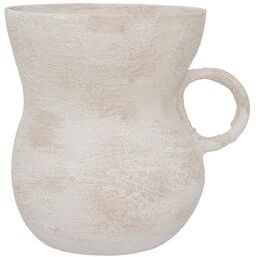
Urban Nature Culture Vase RelaxedQuiet elegancy comes to life in Urban Nature Culture's vase Relaxed. Handmade in Portugal, this ceramic vase has a shape beyond anything you've seen - it's organic, it flows and steals your heart with its playful ear.123,40 $*Shipping: 0,00 $Secure redirect to the provider


-
Why are lysosomes, vacuoles, and microtubules important?
Lysosomes are important because they contain enzymes that break down waste materials and cellular debris, helping to maintain the overall health and function of the cell. Vacuoles are important for storing nutrients, waste products, and maintaining turgor pressure in plant cells. They also play a role in maintaining the cell's shape and structure. Microtubules are important for providing structural support to the cell, as well as serving as tracks for the movement of organelles and vesicles within the cell. They are also involved in cell division and the maintenance of cell shape. Overall, these organelles and structures are essential for the proper functioning and maintenance of the cell. **
-
Can a plant cell have 2 vacuoles?
Yes, a plant cell can have multiple vacuoles. While most plant cells typically have one large central vacuole, some plant cells may have multiple smaller vacuoles. These vacuoles serve various functions such as storing nutrients, maintaining turgor pressure, and storing waste products. The number and size of vacuoles can vary depending on the specific needs of the cell and the stage of development. **
-
Why don't humans or animals have vacuoles?
Humans and animals do not have vacuoles because they do not need them for the same purposes as plant cells. Vacuoles in plant cells serve functions such as storing nutrients, maintaining turgor pressure, and storing waste products. Humans and animals have different organelles and systems that serve similar functions, such as lysosomes for waste disposal and storage organelles for nutrients. Therefore, vacuoles are not necessary for the functioning of human and animal cells. **
-
Why do animal cells not have vacuoles?
Animal cells do not have vacuoles because they do not require the same level of storage and structural support as plant cells. Vacuoles in plant cells serve to store nutrients, maintain turgor pressure, and aid in the digestion of waste materials. Animal cells have lysosomes and other organelles that perform similar functions, but they do not have a large central vacuole like plant cells. Instead, animal cells have a more diverse range of organelles to meet their specific needs for survival and function. **

Why do paramecia in the sea not have pulsating vacuoles?
Paramecia in the sea do not have pulsating vacuoles because they do not need them to regulate water balance. In a marine environment, the concentration of salt outside the cell is similar to that inside the cell, so there is no need for the paramecia to actively pump out excess water. Pulsating vacuoles are more commonly found in freshwater paramecia, where they help regulate water balance by pumping out excess water that enters the cell due to osmosis. **
Is man a creature of nature or culture, or is culture the nature of man?
Man is a complex being influenced by both nature and culture. While humans are inherently part of the natural world, our behaviors, beliefs, and practices are largely shaped by the societies we live in. Culture can be seen as the nature of man in the sense that it is a fundamental aspect of human existence, shaping our identities and interactions with the world. Ultimately, the relationship between nature and culture is intertwined in shaping the essence of humanity. **
Top-Angebote
Products related to Vacuoles:
-
From the Archives: Black History and Culture Value PackThis brand-new series is rooted in a profound commitment to shedding light on some of the important -- and often lesser-known -- aspects of Black history. From the Archives features landmarks, events, people, and artistic endeavors that have played...26,99 $*Shipping: 0,00 $Secure redirect to the provider
-
Urban Nature Culture Vase RelaxedQuiet elegancy comes to life in Urban Nature Culture's vase Relaxed. Handmade in Portugal, this ceramic vase has a shape beyond anything you've seen - it's organic, it flows and steals your heart with its playful ear.123,40 $*Shipping: 0,00 $Secure redirect to the provider
-
Are vacuoles large vesicles?
Yes, vacuoles are large vesicles found in the cells of plants and some other organisms. They are membrane-bound organelles that can vary in size and function. Vacuoles play a role in storing nutrients, maintaining turgor pressure, and regulating the cell's internal environment. Their size and function can vary depending on the type of cell and organism. **
-
Why do plant cells not have vacuoles?
Plant cells do have vacuoles. Vacuoles are membrane-bound organelles found in plant cells that store water, nutrients, and waste products. They play a crucial role in maintaining turgor pressure, storing nutrients, and regulating cellular processes. Without vacuoles, plant cells would not be able to maintain their structure and function properly. **
-
Why are lysosomes, vacuoles, and microtubules important?
Lysosomes are important because they contain enzymes that break down waste materials and cellular debris, helping to maintain the overall health and function of the cell. Vacuoles are important for storing nutrients, waste products, and maintaining turgor pressure in plant cells. They also play a role in maintaining the cell's shape and structure. Microtubules are important for providing structural support to the cell, as well as serving as tracks for the movement of organelles and vesicles within the cell. They are also involved in cell division and the maintenance of cell shape. Overall, these organelles and structures are essential for the proper functioning and maintenance of the cell. **
-
Can a plant cell have 2 vacuoles?
Yes, a plant cell can have multiple vacuoles. While most plant cells typically have one large central vacuole, some plant cells may have multiple smaller vacuoles. These vacuoles serve various functions such as storing nutrients, maintaining turgor pressure, and storing waste products. The number and size of vacuoles can vary depending on the specific needs of the cell and the stage of development. **
Similar search terms for Vacuoles
-
Urban Nature Culture Vase Ace - AceSetting forth a tradition that is centuries old, pottery has ever been one of Portugal's trades. Urban Nature Culture loves to work with Portuguese artisans - who use their skills to combine modern looks and contemporary design with techniques of old.145,60 $*Shipping: 0,00 $Secure redirect to the provider
-
Urban Nature Culture Vase Talvi - WhiteFloating the sea waves, a sense of calm takes over, feeling at home in the world. That same feeling we get at home, like a safe haven to relax our senses and feast our eyes on our most cherished things.267,80 $*Shipping: 0,00 $Secure redirect to the provider
-
Why don't humans or animals have vacuoles?
Humans and animals do not have vacuoles because they do not need them for the same purposes as plant cells. Vacuoles in plant cells serve functions such as storing nutrients, maintaining turgor pressure, and storing waste products. Humans and animals have different organelles and systems that serve similar functions, such as lysosomes for waste disposal and storage organelles for nutrients. Therefore, vacuoles are not necessary for the functioning of human and animal cells. **
-
Why do animal cells not have vacuoles?
Animal cells do not have vacuoles because they do not require the same level of storage and structural support as plant cells. Vacuoles in plant cells serve to store nutrients, maintain turgor pressure, and aid in the digestion of waste materials. Animal cells have lysosomes and other organelles that perform similar functions, but they do not have a large central vacuole like plant cells. Instead, animal cells have a more diverse range of organelles to meet their specific needs for survival and function. **
-
Why do paramecia in the sea not have pulsating vacuoles?
Paramecia in the sea do not have pulsating vacuoles because they do not need them to regulate water balance. In a marine environment, the concentration of salt outside the cell is similar to that inside the cell, so there is no need for the paramecia to actively pump out excess water. Pulsating vacuoles are more commonly found in freshwater paramecia, where they help regulate water balance by pumping out excess water that enters the cell due to osmosis. **
-
Is man a creature of nature or culture, or is culture the nature of man?
Man is a complex being influenced by both nature and culture. While humans are inherently part of the natural world, our behaviors, beliefs, and practices are largely shaped by the societies we live in. Culture can be seen as the nature of man in the sense that it is a fundamental aspect of human existence, shaping our identities and interactions with the world. Ultimately, the relationship between nature and culture is intertwined in shaping the essence of humanity. **
* All prices are inclusive of VAT and, if applicable, plus shipping costs. The offer information is based on the details provided by the respective shop and is updated through automated processes. Real-time updates do not occur, so deviations can occur in individual cases. ** Note: Parts of this content were created by AI.