Buy myalbania.eu ?
We are moving the project
myalbania.eu .
Are you interested in purchasing the domain
myalbania.eu ?
domain@kv-gmbh.de · 0541-91531010
Buy myalbania.eu ?
What are braces and disinfectants?
Braces are orthodontic devices used to straighten and align teeth, improve bite, and enhance overall dental health. They consist of brackets, wires, and bands that apply pressure to the teeth to gradually move them into the desired position. Disinfectants, on the other hand, are chemical agents used to kill or inhibit the growth of harmful microorganisms on surfaces, instruments, or in the air. They are commonly used in healthcare settings to prevent the spread of infections. **
Are disinfectants allowed on airplanes?
Yes, disinfectants are allowed on airplanes in limited quantities. Passengers are allowed to bring travel-sized disinfectant wipes or sprays in their carry-on luggage. It is important to check with the airline or Transportation Security Administration (TSA) for specific guidelines on bringing disinfectants on board. Additionally, it is recommended to use disinfectants in accordance with the airline's policies and guidelines to ensure the safety of all passengers and crew members. **


Similar search terms for Disinfectants
Top-Angebote
Products related to Disinfectants:
-
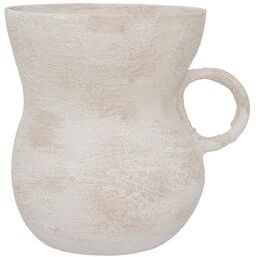
Urban Nature Culture Vase RelaxedQuiet elegancy comes to life in Urban Nature Culture's vase Relaxed. Handmade in Portugal, this ceramic vase has a shape beyond anything you've seen - it's organic, it flows and steals your heart with its playful ear.123,40 $*Shipping: 0,00 $Secure redirect to the provider
-
Urban Nature Culture Vase Ace - AceSetting forth a tradition that is centuries old, pottery has ever been one of Portugal's trades. Urban Nature Culture loves to work with Portuguese artisans - who use their skills to combine modern looks and contemporary design with techniques of old.145,60 $*Shipping: 0,00 $Secure redirect to the provider



-
What are pimples and disinfectants?
Pimples are small inflammations on the skin caused by clogged pores, excess oil production, and bacteria. They can appear as red, raised bumps and are a common skin condition, especially during adolescence. Disinfectants are substances that are used to kill or inhibit the growth of microorganisms on surfaces or in wounds. They are commonly used to clean and sanitize skin, wounds, and surfaces to prevent the spread of infections. **
-
Can someone be allergic to disinfectants?
Yes, some people can be allergic to disinfectants. Disinfectants contain various chemicals that can trigger allergic reactions in sensitive individuals. Symptoms of an allergic reaction to disinfectants may include skin irritation, respiratory issues, or even anaphylaxis in severe cases. It is important for individuals who suspect they are allergic to disinfectants to avoid exposure and consult with a healthcare professional for proper diagnosis and management. **
-
Can one be allergic to disinfectants?
Yes, it is possible for someone to be allergic to disinfectants. Some disinfectants contain harsh chemicals or fragrances that can trigger allergic reactions in sensitive individuals. Symptoms of an allergic reaction to disinfectants may include skin irritation, respiratory issues, or even anaphylaxis in severe cases. It is important for individuals who suspect they may be allergic to disinfectants to avoid exposure and consult with a healthcare provider for proper diagnosis and management. **
-
What causes the intolerance to disinfectants?
Intolerance to disinfectants can be caused by a variety of factors, including allergies or sensitivities to the chemicals in the disinfectants. Some individuals may have respiratory issues or skin conditions that are aggravated by exposure to disinfectants. Additionally, repeated or prolonged exposure to disinfectants can lead to sensitization and intolerance over time. It is important for individuals experiencing intolerance to disinfectants to identify the specific triggers and seek alternative cleaning products or methods to avoid adverse reactions. **


Are disinfectants allowed on the airplane?
Yes, disinfectants are allowed on airplanes. Passengers are allowed to bring disinfectant wipes, sprays, and gels in their carry-on luggage. It is recommended to use these disinfectants to clean your seating area and personal belongings to help prevent the spread of germs during the flight. However, it is important to check with the airline for any specific regulations or restrictions on the use of disinfectants onboard. **
What are the differences between disinfectants?
Disinfectants differ in their active ingredients, with common ones including bleach, alcohol, hydrogen peroxide, and quaternary ammonium compounds. These active ingredients vary in their effectiveness against different types of pathogens, such as bacteria, viruses, and fungi. Additionally, disinfectants can differ in their contact time required to kill pathogens, their safety for use on different surfaces, and their potential for causing skin irritation or respiratory issues. It is important to choose the right disinfectant for the specific pathogens you are targeting and to follow the manufacturer's instructions for proper use. **
Top-Angebote
Products related to Disinfectants:
-
From the Archives: Black History and Culture Value PackThis brand-new series is rooted in a profound commitment to shedding light on some of the important -- and often lesser-known -- aspects of Black history. From the Archives features landmarks, events, people, and artistic endeavors that have played...26,99 $*Shipping: 0,00 $Secure redirect to the provider
-
Urban Nature Culture Vase RelaxedQuiet elegancy comes to life in Urban Nature Culture's vase Relaxed. Handmade in Portugal, this ceramic vase has a shape beyond anything you've seen - it's organic, it flows and steals your heart with its playful ear.123,40 $*Shipping: 0,00 $Secure redirect to the provider
-
What are braces and disinfectants?
Braces are orthodontic devices used to straighten and align teeth, improve bite, and enhance overall dental health. They consist of brackets, wires, and bands that apply pressure to the teeth to gradually move them into the desired position. Disinfectants, on the other hand, are chemical agents used to kill or inhibit the growth of harmful microorganisms on surfaces, instruments, or in the air. They are commonly used in healthcare settings to prevent the spread of infections. **
-
Are disinfectants allowed on airplanes?
Yes, disinfectants are allowed on airplanes in limited quantities. Passengers are allowed to bring travel-sized disinfectant wipes or sprays in their carry-on luggage. It is important to check with the airline or Transportation Security Administration (TSA) for specific guidelines on bringing disinfectants on board. Additionally, it is recommended to use disinfectants in accordance with the airline's policies and guidelines to ensure the safety of all passengers and crew members. **
-
What are pimples and disinfectants?
Pimples are small inflammations on the skin caused by clogged pores, excess oil production, and bacteria. They can appear as red, raised bumps and are a common skin condition, especially during adolescence. Disinfectants are substances that are used to kill or inhibit the growth of microorganisms on surfaces or in wounds. They are commonly used to clean and sanitize skin, wounds, and surfaces to prevent the spread of infections. **
-
Can someone be allergic to disinfectants?
Yes, some people can be allergic to disinfectants. Disinfectants contain various chemicals that can trigger allergic reactions in sensitive individuals. Symptoms of an allergic reaction to disinfectants may include skin irritation, respiratory issues, or even anaphylaxis in severe cases. It is important for individuals who suspect they are allergic to disinfectants to avoid exposure and consult with a healthcare professional for proper diagnosis and management. **
Similar search terms for Disinfectants
-
Urban Nature Culture Vase Ace - AceSetting forth a tradition that is centuries old, pottery has ever been one of Portugal's trades. Urban Nature Culture loves to work with Portuguese artisans - who use their skills to combine modern looks and contemporary design with techniques of old.145,60 $*Shipping: 0,00 $Secure redirect to the provider
-
Urban Nature Culture Vase Talvi - WhiteFloating the sea waves, a sense of calm takes over, feeling at home in the world. That same feeling we get at home, like a safe haven to relax our senses and feast our eyes on our most cherished things.267,80 $*Shipping: 0,00 $Secure redirect to the provider
-
Can one be allergic to disinfectants?
Yes, it is possible for someone to be allergic to disinfectants. Some disinfectants contain harsh chemicals or fragrances that can trigger allergic reactions in sensitive individuals. Symptoms of an allergic reaction to disinfectants may include skin irritation, respiratory issues, or even anaphylaxis in severe cases. It is important for individuals who suspect they may be allergic to disinfectants to avoid exposure and consult with a healthcare provider for proper diagnosis and management. **
-
What causes the intolerance to disinfectants?
Intolerance to disinfectants can be caused by a variety of factors, including allergies or sensitivities to the chemicals in the disinfectants. Some individuals may have respiratory issues or skin conditions that are aggravated by exposure to disinfectants. Additionally, repeated or prolonged exposure to disinfectants can lead to sensitization and intolerance over time. It is important for individuals experiencing intolerance to disinfectants to identify the specific triggers and seek alternative cleaning products or methods to avoid adverse reactions. **
-
Are disinfectants allowed on the airplane?
Yes, disinfectants are allowed on airplanes. Passengers are allowed to bring disinfectant wipes, sprays, and gels in their carry-on luggage. It is recommended to use these disinfectants to clean your seating area and personal belongings to help prevent the spread of germs during the flight. However, it is important to check with the airline for any specific regulations or restrictions on the use of disinfectants onboard. **
-
What are the differences between disinfectants?
Disinfectants differ in their active ingredients, with common ones including bleach, alcohol, hydrogen peroxide, and quaternary ammonium compounds. These active ingredients vary in their effectiveness against different types of pathogens, such as bacteria, viruses, and fungi. Additionally, disinfectants can differ in their contact time required to kill pathogens, their safety for use on different surfaces, and their potential for causing skin irritation or respiratory issues. It is important to choose the right disinfectant for the specific pathogens you are targeting and to follow the manufacturer's instructions for proper use. **
* All prices are inclusive of VAT and, if applicable, plus shipping costs. The offer information is based on the details provided by the respective shop and is updated through automated processes. Real-time updates do not occur, so deviations can occur in individual cases. ** Note: Parts of this content were created by AI.